
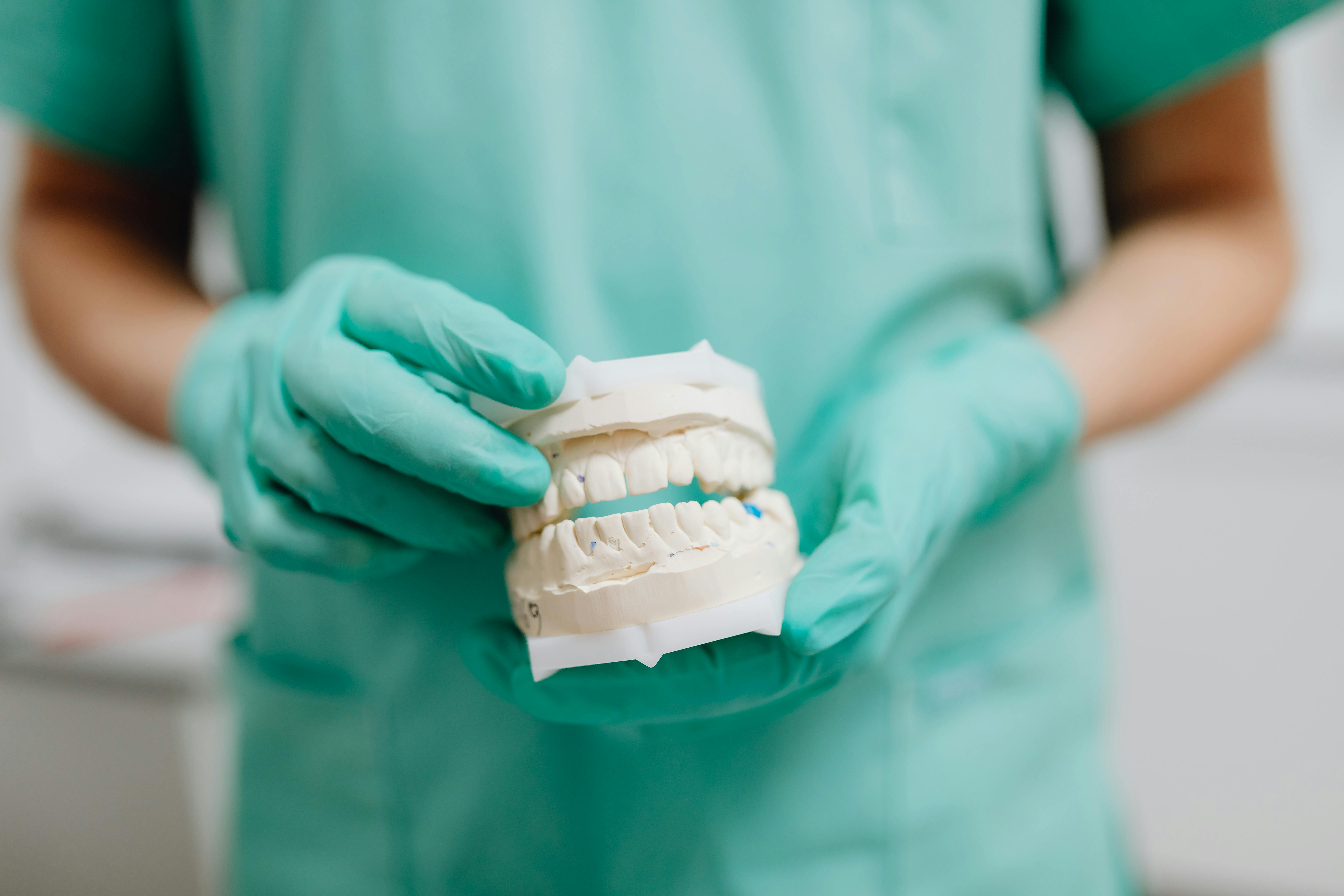
Discover how Artificial Intelligence (AI) is revolutionizing orthodontics in 2026, offering personalized, faster, and more precise smile transformations. Learn about AI-powered clear aligners, predictive treatment planning, remote monitoring, and compare the leading technologies to find your ideal path to a perfect smile. Explore advanced orthodontic solutions and book your consultation today!
Introduction to the Topic
Welcome to 2026, where the future of orthodontics isn't just a concept – it's a reality powered by Artificial Intelligence. Gone are the days of one-size-fits-all treatments and lengthy, unpredictable journeys. Today, AI is transforming how we diagnose, plan, and execute orthodontic care, making your dream smile more attainable, faster, and precisely tailored to you than ever before. For patients seeking efficiency, unparalleled accuracy, and a truly personalized experience, AI-powered orthodontics represents the pinnacle of modern dental innovation.
At myadvanceddentist.com, we understand that you're looking for the best possible outcome with the least amount of hassle. This comprehensive guide will delve into the exciting world of AI in orthodontics, explaining how these intelligent systems are working alongside our expert practitioners to deliver exceptional results. We’ll explore the cutting-edge technologies, weigh their benefits, and help you understand how to choose the right AI-enhanced treatment for your unique needs. Get ready to embark on a journey towards a healthier, more beautiful smile, guided by the smartest technology available.
Backgrounds & Facts
The integration of Artificial Intelligence into orthodontics has moved beyond experimental stages and is now a cornerstone of advanced dental practices worldwide. AI, in essence, refers to computer systems capable of performing tasks that typically require human intelligence, such as learning, problem-solving, and decision-making. In orthodontics, this translates into unprecedented levels of precision and personalization.
By 2026, AI algorithms are routinely analyzing vast datasets of patient records, dental scans, and treatment outcomes to identify patterns and predict the most effective approaches. Here’s how AI is actively shaping the orthodontic landscape:
- Enhanced Diagnosis & Treatment Planning: AI can analyze 3D scans (like CBCT and intraoral scans) and X-rays with incredible speed and accuracy, identifying subtle anatomical features, potential issues, and growth patterns that might be missed by the human eye. This leads to more precise diagnoses of malocclusions, impactions, and bone density issues. AI-powered software then simulates countless treatment scenarios, predicting tooth movement with remarkable accuracy and allowing orthodontists to select the optimal plan for each patient, minimizing risks and maximizing efficiency.
- Personalized Appliance Design: From custom-fabricated clear aligners to AI-designed brackets and wires, 3D printing technologies are now directly informed by AI. This allows for appliances that are perfectly customized to each tooth's unique shape and movement requirements. This hyper-personalization ensures maximum comfort, reduced treatment time, and superior results compared to traditional, standardized appliances.
- Remote Monitoring & Progress Tracking: One of the most significant advancements is AI's role in remote patient care. Patients can use smartphone apps to submit photos or videos of their teeth, which AI algorithms analyze to track aligner compliance, monitor tooth movement, assess oral hygiene, and detect potential issues (like gum inflammation or aligner fit problems) in real-time. This reduces the need for frequent in-office visits, saving patients time and making treatment more convenient, while still ensuring continuous expert oversight.
- Predictive Analytics for Accelerated Treatment: AI can predict how individual patients will respond to treatment, allowing orthodontists to make proactive adjustments. This predictive capability is crucial for implementing accelerated orthodontic techniques, potentially shortening treatment timelines by optimizing force application and aligner change schedules.
These advancements are not replacing the human orthodontist but empowering them with tools that elevate the standard of care, making orthodontic treatment more predictable, comfortable, and efficient for everyone.
Expert Opinion / Analysis
“The integration of AI into orthodontics isn't just an evolution; it’s a revolution in precision and personalization,” states Dr. Anya Sharma, a leading orthodontist and innovator in digital dentistry. “For years, we relied on our experience and the best available tools. Now, AI provides an unparalleled layer of data-driven insight, allowing us to see around corners, predict outcomes, and design treatments with an accuracy that was once unimaginable.”
The benefits are clear. Patients experience shorter treatment times, fewer emergency visits, and a more comfortable journey. The ability of AI to analyze vast amounts of data helps in identifying the most efficient tooth movement pathways, ensuring that every aligner or bracket adjustment is purposeful and precise. Remote monitoring, powered by AI, offers continuous support and allows for early intervention, preventing minor issues from becoming major setbacks. This leads to higher patient satisfaction and a more predictable path to their ideal smile.
However, Dr. Sharma also emphasizes the importance of the human element. “AI is a powerful co-pilot, not the pilot. It enhances our diagnostic capabilities and treatment planning, but the ultimate clinical judgment, empathy, and artistic touch still belong to the orthodontist. The ethical considerations of data privacy, algorithm bias, and ensuring equitable access to these advanced technologies are paramount as we move forward.”
The initial investment in AI technology for clinics can be significant, potentially influencing treatment costs. However, the long-term benefits of increased efficiency, reduced chair time, and superior outcomes often justify this. The challenge lies in seamlessly integrating these complex systems into daily practice and ensuring that practitioners are adequately trained to leverage AI's full potential while maintaining a patient-centric approach. The future looks bright, with AI continuously learning and refining its capabilities, promising even more sophisticated and accessible orthodontic solutions in the years to come.
💰 Best Options in Comparison (VERY IMPORTANT)
In 2026, the market for AI-powered orthodontic solutions offers a range of innovative choices, each designed to enhance different aspects of your smile transformation journey. Understanding these options will help you make an informed decision with your orthodontist.
-
SmileSync AI (Clear Aligner Systems)
SmileSync AI represents the next generation of clear aligner therapy. This system leverages advanced AI algorithms to design hyper-personalized aligner trays, predicting tooth movement with unprecedented accuracy. It integrates seamlessly with remote monitoring applications, allowing for real-time tracking of your progress and AI-driven alerts for optimal aligner change schedules or potential issues. Patients often experience accelerated treatment times due to the precision planning and continuous virtual oversight.
-
OrthoPredict Pro (Predictive Orthodontic Software Suites)
OrthoPredict Pro is a sophisticated software suite utilized by orthodontists to enhance diagnosis and treatment planning for all types of orthodontic appliances – from traditional braces to custom lingual systems. Its AI analyzes 3D scans and patient data to generate multiple treatment simulations, allowing the orthodontist to visualize outcomes and select the most efficient and effective plan. This platform focuses on optimizing the entire treatment journey, ensuring superior results regardless of the chosen appliance type.
-
SmileTrack Connect (Remote AI Monitoring Platforms)
SmileTrack Connect is a dedicated remote monitoring platform that integrates with various orthodontic treatments. Patients use a special device (often a smartphone attachment) to capture high-resolution images of their teeth, which AI analyzes for aligner fit, oral hygiene, and tooth movement. It sends automated feedback and alerts to both the patient and the orthodontist, significantly reducing the need for in-office appointments while ensuring that treatment stays on track and any issues are addressed promptly. It's ideal for patients seeking maximum convenience and continuous support.
To help you compare these leading AI-powered orthodontic solutions, here’s a detailed breakdown:
| Feature / System | SmileSync AI (Clear Aligner System) | OrthoPredict Pro (Software Suite) | SmileTrack Connect (Remote Monitoring) |
|---|---|---|---|
| Primary Focus | Personalized Clear Aligner Treatment & Management | Comprehensive Diagnostic & Treatment Planning for All Appliances | Remote Patient Engagement, Progress Tracking & Support |
| Key AI Function | Predictive Tooth Movement, Custom Aligner Design, Virtual Check-ins | Automated Diagnosis, Optimal Treatment Path Simulation, Outcome Prediction | AI-Powered Image Analysis, Early Issue Detection, Automated Feedback |
| Treatment Speed Impact | Optimized & Potentially Accelerated Aligner Therapy | Enhances planning for faster, more predictable overall treatment | Reduces unnecessary appointments, keeps treatment continuously on track |
| Personalization Level | High (Custom-fit aligners based on AI-driven plan) | Very High (Tailored treatment plans for any appliance) | High (Personalized feedback, alerts, and communication) |
| Patient Cost Range (Avg.) | $$ (Premium clear aligner system with advanced features) | $$ (Integrated into overall treatment cost, adds value) | $ (Often a subscription or included with comprehensive treatment) |
| Ideal For | Patients seeking advanced clear aligner therapy with remote convenience | Orthodontists seeking ultimate planning precision for all complex cases | Patients prioritizing convenience, fewer appointments, and continuous support |
| Availability | Available at leading orthodontic clinics and specialized practices | Widely adopted by tech-forward and advanced orthodontic practices | Integrated with many modern orthodontic practices and aligner systems |
Outlook & Trends
The trajectory of AI in orthodontics is one of continuous acceleration and innovation. Looking beyond 2026, we can anticipate even more transformative developments:
- Hyper-Personalized & Adaptive Appliances: Imagine braces or aligners that can subtly adapt their force or shape based on real-time feedback from embedded micro-sensors, guiding teeth even more precisely. AI will enable the creation of truly bespoke appliances for every single tooth movement throughout the entire treatment.
- Integration with Wearables & Biosensors: Future orthodontic systems may integrate with smart wearables that monitor oral health indicators, bite forces, and even stress levels, providing a holistic view of patient well-being and treatment compliance.
- Augmented Reality (AR) & Virtual Reality (VR) for Patient Education: Patients will be able to 'try on' their future smile in AR, visualizing treatment outcomes with unparalleled realism. VR could offer immersive educational experiences, explaining complex procedures in an engaging way.
- Predictive Preventative Orthodontics: AI will play an even larger role in early intervention, identifying potential malocclusions in young children before they fully develop, allowing for simpler, less invasive preventative treatments.
- Ethical AI & Data Security: As AI becomes more sophisticated, there will be increased focus on developing ethical AI frameworks, ensuring data privacy, transparency in algorithms, and equitable access to these advanced technologies for all patients.
These trends point towards an orthodontic future that is not only more efficient and precise but also more interactive, preventative, and deeply integrated into our daily lives, making the journey to a perfect smile an even more seamless and rewarding experience.
Conclusion
The year 2026 marks a pivotal moment in orthodontics, with Artificial Intelligence leading the charge towards a future of unprecedented precision, speed, and personalization in smile design. From AI-powered diagnostics and predictive treatment planning to custom aligner systems and convenient remote monitoring, the tools available today are transforming patient experiences and delivering superior, long-lasting results.
While AI is a powerful innovation, it's crucial to remember that these technologies are designed to empower, not replace, the expertise of a skilled orthodontist. The best outcomes are achieved when cutting-edge AI works in harmony with the clinical judgment and artistic vision of your dental professional. If you're considering orthodontic treatment and are eager to explore how these advanced, money-generating solutions can benefit you, we invite you to take the next step.
Don't just dream of a perfect smile – make it a reality with the most advanced orthodontic care available. Book your consultation today with one of our myadvanceddentist.com experts to discuss personalized AI-driven treatment options. Your journey to a faster, smarter, and more beautiful smile starts here!