
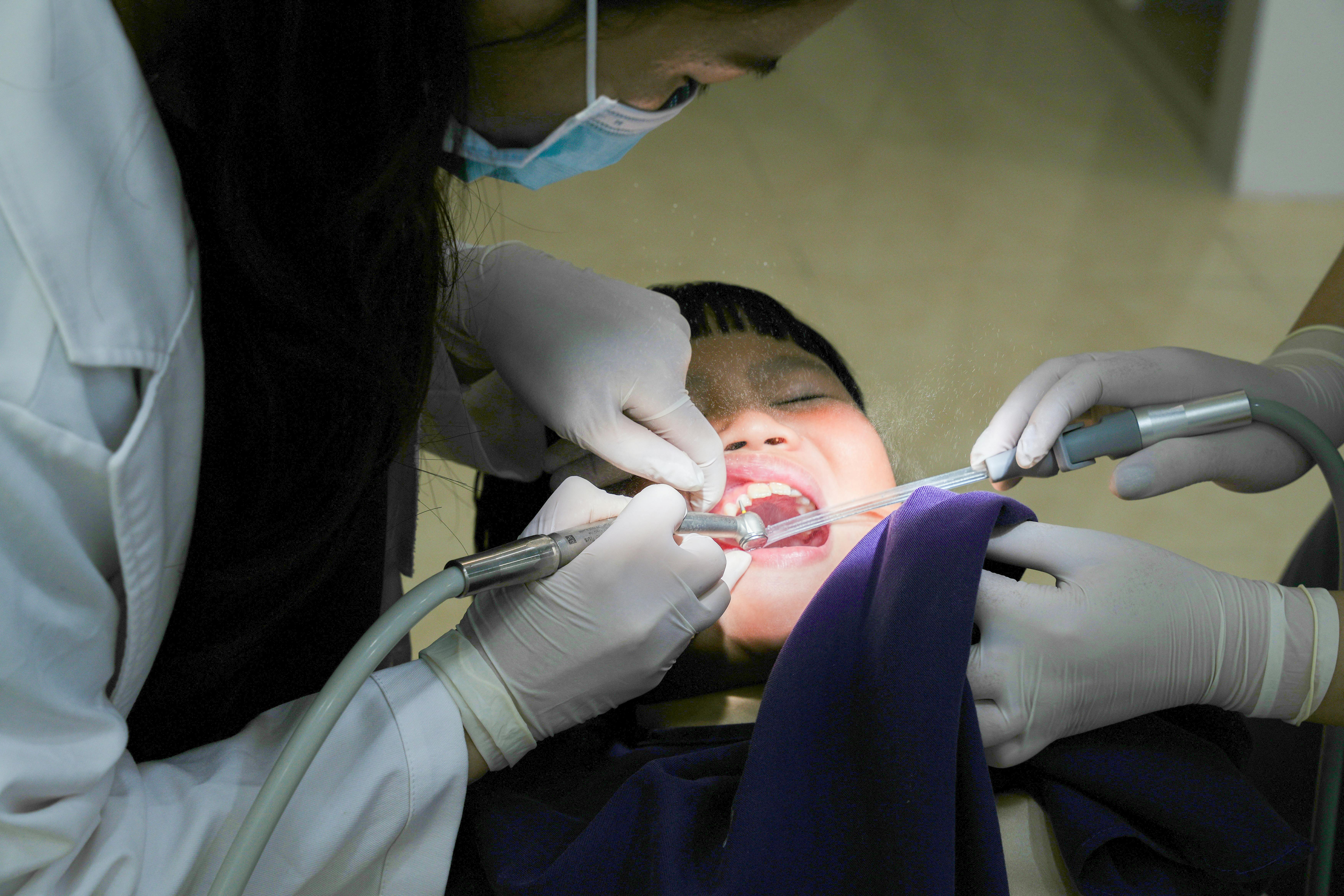
In 2026, early orthodontic intervention for children has revolutionized pediatric dentistry. Discover how advanced myofunctional therapy and innovative clear aligners like Invisalign First are preventing complex dental issues, improving jaw development, and creating lifelong healthy smiles. Learn about the best options, costs, and why booking a pediatric orthodontic consultation now can save thousands later.
Introduction to the Topic
The landscape of pediatric dentistry is undergoing a profound transformation. For decades, the conventional wisdom for children with emerging orthodontic issues was often a 'wait and see' approach, delaying treatment until all permanent teeth had erupted. However, as we look ahead to 2026, this paradigm has decisively shifted. Modern pediatric orthodontics embraces a proactive, interceptive philosophy, recognizing that addressing developmental concerns early can prevent more severe, complex, and costly problems down the line. Parents are increasingly aware of the profound benefits of early orthodontic treatment, not just for a beautiful smile, but for their child's overall health, speech development, and self-esteem. This article delves into two of the most trending and effective early intervention strategies: specialized myofunctional therapy and advanced clear aligners for kids, guiding you through the best options available today.
Backgrounds & Facts
Early orthodontic intervention, often referred to as Phase 1 or interceptive orthodontics, typically occurs between the ages of 6 and 10, while a child still has a mix of baby and permanent teeth. The American Association of Orthodontists (AAO) recommends that children have their first orthodontic assessment by age 7. This isn't necessarily for immediate treatment, but for early detection of potential problems that could benefit from timely intervention.
Common issues identified during this crucial developmental window include:
- Crowding: Not enough space for permanent teeth to erupt properly.
- Crossbites: Upper teeth fitting inside lower teeth.
- Open Bites: Front teeth not meeting when the back teeth are closed.
- Deep Bites: Upper front teeth excessively overlapping the lower front teeth.
- Jaw Growth Discrepancies: Upper and lower jaws growing at different rates or in different directions.
- Harmful Oral Habits: Persistent thumb sucking, tongue thrusting, or mouth breathing.
Left unaddressed, these issues can lead to a cascade of problems, including difficulty chewing, impaired speech, increased risk of dental trauma, gum disease, and even sleep-disordered breathing. Furthermore, misaligned jaws and teeth can significantly impact a child's self-confidence. Early intervention leverages a child's natural growth process, guiding jaw development and creating space for permanent teeth to erupt correctly, often simplifying or even eliminating the need for extensive treatment in adolescence.
Expert Opinion / Analysis
“The advancements in early orthodontic intervention are truly game-changing for our young patients,” explains Dr. Anya Sharma, a leading pediatric orthodontist at MyAdvancedDentist.com. “We're no longer just straightening teeth; we're actively shaping healthy facial and airway development. By intervening early, we can address the root causes of many malocclusions, rather than simply treating the symptoms later.”
Dr. Sharma emphasizes that the benefits extend far beyond aesthetics. “Take myofunctional therapy, for instance. It’s not just about correcting a tongue thrust; it’s about retraining the muscles of the mouth and face to promote proper nasal breathing, correct swallowing patterns, and optimal tongue posture. These fundamental changes can have profound positive impacts on a child’s sleep quality, speech clarity, and even their ability to focus in school. For children struggling with mouth breathing, this therapy can reduce the risk of sleep apnea later in life and promote healthier jaw growth.”
Regarding clear aligners for kids, Dr. Sharma notes, “The technology behind systems like Invisalign First for mixed dentition has evolved remarkably. These aligners aren't just scaled-down adult versions; they're specifically designed to accommodate erupting permanent teeth while simultaneously correcting existing issues. They can expand arches, create space, and even guide the eruption of new teeth. This means fewer extractions, more harmonious jaw development, and often a shorter, less invasive Phase 2 treatment if needed.” The discreet nature and removability of aligners also significantly boost patient compliance and oral hygiene, making them a highly attractive option for both children and parents.
💰 Best Options in Comparison (VERY IMPORTANT)
For parents considering early orthodontic intervention in 2026, two primary paths stand out: Myofunctional Therapy and Clear Aligners for Kids. Each offers distinct advantages and is suited for different types of issues and patient profiles. Understanding these options is key to making an informed decision for your child's dental health and overall well-being.
Myofunctional Therapy
- What it is: A specialized program of exercises designed to correct improper oral muscle function. This includes retraining the tongue to rest in the correct position, encouraging nasal breathing, correcting swallowing patterns, and eliminating harmful habits like thumb sucking. It often involves working with a trained myofunctional therapist in conjunction with your pediatric dentist or orthodontist.
- Who it's for: Children with issues stemming from oral habits, incorrect tongue posture, mouth breathing, tongue thrust, or mild malocclusions. It's particularly effective for addressing the underlying causes of jaw development issues.
- Benefits: Addresses root causes, improves overall health (sleep, speech, breathing), promotes natural jaw and facial development, potentially reduces or eliminates the need for extensive orthodontic work later. It's a non-invasive approach focused on muscle memory.
- Products/Tools: May involve custom-fitted oral appliances (e.g., Myobrace, HealthyStart) worn primarily at night and for a few hours during the day, alongside daily exercises.
- Cost (2026 Est.): Varies significantly based on the duration of therapy and the number of sessions, typically ranging from $2,000 to $6,000 for a comprehensive program. Often less than full comprehensive orthodontics.
Clear Aligners for Kids (e.g., Invisalign First)
- What it is: Custom-made, removable clear plastic trays that gently shift teeth into their correct positions. Specifically designed for children with mixed dentition (both baby and permanent teeth), these systems accommodate erupting teeth and guide jaw development.
- Who it's for: Children needing space creation, arch expansion, correction of specific tooth movements (e.g., crossbites, crowding), or guidance for erupting permanent teeth.
- Benefits: Highly discreet, removable (allowing for easier eating and brushing), fewer dietary restrictions than traditional braces, guides the eruption of permanent teeth, and can simplify or reduce the need for future orthodontic treatment.
- Technology: Utilizes advanced 3D scanning and planning software to map out the entire treatment process, ensuring precise tooth movements. Often includes features like 'eruption tabs' to allow space for incoming permanent teeth.
- Cost (2026 Est.): Comparable to traditional braces for Phase 1 treatment, typically ranging from $3,500 to $7,000. This may be a standalone Phase 1 or part of a two-phase treatment plan.
To help you compare these excellent options, here is a detailed breakdown:
| Feature | Myofunctional Therapy | Clear Aligners for Kids (e.g., Invisalign First) |
|---|---|---|
| Primary Focus | Correcting oral muscle function, breathing, swallowing, tongue posture. | Guiding tooth eruption, creating space, correcting bite issues, arch expansion. |
| Ideal Age Range | 4-12 years (can start younger for habits). | 6-10 years (mixed dentition). |
| Visibility | Minimal (appliances often worn primarily at night). | Nearly invisible. |
| Removability | Appliances are removable; exercises are non-appliance based. | Fully removable for eating, brushing, and special occasions. |
| Impact on Hygiene | No impact; can improve oral health habits. | Excellent; allows for normal brushing and flossing. |
| Cost Range (2026 Est.) | $2,000 - $6,000 (often program-based). | $3,500 - $7,000 (Phase 1 treatment). |
| Duration | 6 months to 2 years (active therapy), followed by retention. | 6-18 months (Phase 1 treatment). |
| Potential for Future Treatment | Often reduces or eliminates need for full orthodontics. | Often simplifies or shortens Phase 2 orthodontics. |
| Best For | Habit correction, airway issues, underdeveloped jaws, speech problems. | Crowding, crossbites, spacing issues, guided eruption. |
Choosing the right option requires a comprehensive evaluation by a qualified pediatric orthodontist. They will assess your child's specific needs, growth patterns, and any underlying functional issues to recommend the most effective and personalized treatment plan. Many children may even benefit from a combination of these approaches.
Outlook & Trends
Looking ahead to the remainder of 2026 and beyond, pediatric orthodontics is poised for even more exciting innovations. We anticipate a greater integration of Artificial Intelligence (AI) for enhanced diagnostic accuracy and predictive treatment planning, allowing for even more personalized and efficient interventions. AI-powered algorithms will analyze growth patterns and predict future dental development with unprecedented precision, optimizing treatment outcomes.
Teledentistry will continue its expansion, offering convenient virtual check-ups for clear aligner progress and remote guidance for myofunctional therapy exercises, reducing the need for frequent in-person visits. Furthermore, research into the oral microbiome and its influence on dental and systemic health will lead to more targeted, biologically-driven preventive strategies, potentially incorporating specialized probiotics or dietary recommendations to foster a healthier oral environment from a young age. The future of pediatric orthodontics is one of highly personalized, preventive, and technologically advanced care, ensuring every child has the best possible start to lifelong oral health.
Conclusion
The days of waiting for all permanent teeth to erupt before addressing orthodontic concerns are firmly in the past. In 2026, early orthodontic intervention, through advanced myofunctional therapy and innovative clear aligners, represents a powerful investment in your child's health, confidence, and future. By proactively addressing issues like jaw development, harmful oral habits, and emerging bite problems, you can prevent more severe complications, reduce the need for extensive treatments later, and set the foundation for a lifetime of healthy smiles and overall well-being. Don't wait for problems to escalate. Schedule a comprehensive pediatric orthodontic consultation at MyAdvancedDentist.com today to explore the best path for your child's radiant smile and optimal development. Early action means lasting benefits – find a pediatric orthodontist near you and book an appointment online to secure your child's brightest future.