
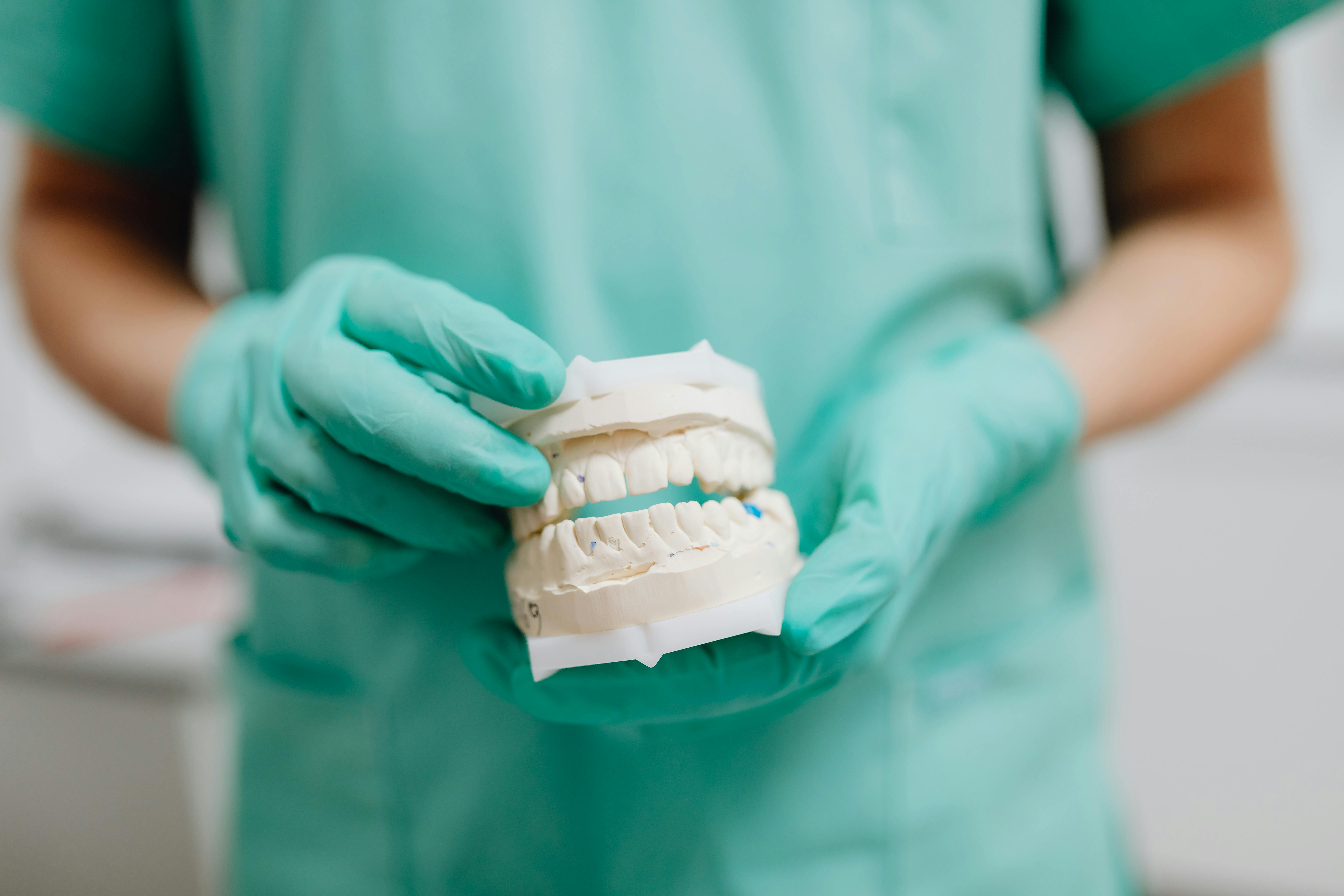
In 2026, clear aligners have transformed teeth straightening, offering discreet and effective solutions. Discover the latest innovations in invisible braces, comparing top professional systems like Invisalign and Spark with evolving at-home alternatives. Learn about AI-driven precision, accelerated treatment options, crucial cost considerations, and flexible financing to find the best orthodontic path for your dream smile and budget. Make an informed decision with our expert analysis.
Introduction to the Topic
Welcome to 2026, where the journey to a perfect smile is more discreet, efficient, and personalized than ever before. Gone are the days when metal braces were the only significant option for correcting misaligned teeth. Today, clear aligners, often dubbed 'invisible braces,' have revolutionized orthodontics, becoming the preferred choice for millions of adults and teens seeking a straighter smile without the aesthetic compromise. This isn't just a trend; it's a paradigm shift driven by cutting-edge technology, patient demand for convenience, and a deeper understanding of orthodontic biomechanics.
From advanced materials that offer superior comfort and clarity to sophisticated AI-powered treatment planning and remote monitoring capabilities, the clear aligner landscape is vibrant and ever-evolving. But with a plethora of options available – ranging from comprehensive professional systems overseen by orthodontists to direct-to-consumer (DTC) at-home kits – how do you navigate this complex market? This article from myadvanceddentist.com is your definitive 2026 guide, designed to cut through the noise, highlight the leading contenders, and empower you to make the smartest, most cost-effective decision for your oral health and aesthetic goals.
Backgrounds & Facts
The concept of clear aligners dates back to the late 1990s, with Invisalign pioneering the technology. Fast forward to 2026, and the global clear aligner market is a multi-billion dollar industry, projected to continue its robust growth. This exponential rise is fueled by an increasing awareness of dental aesthetics, a growing adult population seeking orthodontic treatment, and technological advancements making aligners more effective for a wider range of malocclusions.
At their core, clear aligners work by applying gentle, consistent pressure to gradually shift teeth into their desired positions. Each set of custom-fabricated, BPA-free plastic trays is worn for a specified period (typically 1-2 weeks) before moving to the next in the series. The key benefits are undeniable: they are virtually invisible, removable for eating and oral hygiene, and generally more comfortable than traditional braces.
However, not all clear aligner systems are created equal. The market broadly divides into two primary categories:
- Professional, Orthodontist-Supervised Systems: These treatments are designed, planned, and closely monitored by a licensed orthodontist or dentist. They involve in-person consultations, detailed diagnostic imaging (X-rays, 3D scans), and often utilize advanced software and materials. This category includes industry leaders like Invisalign, Spark Aligners, and ClearCorrect.
- Direct-to-Consumer (DTC) At-Home Systems: These services offer aligners directly to the consumer, often with minimal or no in-person clinical visits. While they promise convenience and lower costs, the level of professional oversight can vary significantly, typically relying on remote check-ins or self-impression kits. The market has seen significant shifts here, with some early pioneers facing challenges, highlighting the importance of robust clinical support.
Understanding these distinctions is crucial, as the appropriate choice depends heavily on the complexity of your case, your budget, and your comfort level with remote vs. in-person professional guidance.
Expert Opinion / Analysis
According to Dr. Elena Rodriguez, a leading orthodontist and contributor to myadvanceddentist.com, "In 2026, the power of clear aligners lies in precision. Advanced diagnostic tools, especially 3D intraoral scanners like iTero, provide an incredibly accurate digital map of a patient's mouth. When combined with AI-powered treatment planning software, we can predict tooth movement with unprecedented accuracy, leading to more efficient and predictable outcomes."
Dr. Rodriguez emphasizes that while DTC options have made orthodontics more accessible, they are not suitable for everyone. "The crucial difference lies in the initial comprehensive diagnosis and ongoing supervision. An orthodontist can identify underlying issues like gum disease, bone loss, or complex bite problems that a remote assessment might miss. Treating these issues incorrectly or without proper oversight can lead to irreversible damage, increased treatment time, and higher costs in the long run."
For patients with mild crowding or spacing issues, a carefully selected DTC option *might* be considered, provided they understand the inherent limitations and risks. However, for moderate to complex cases involving rotations, significant bite correction (overbite, underbite, crossbite), or jaw discrepancies, professional supervision is non-negotiable. Orthodontists can also incorporate auxiliary appliances, attachments, and interproximal reduction (IPR) with far greater control and expertise, tailoring the treatment plan precisely to the individual's needs.
The rise of teledentistry in 2026 has further blurred lines, but it's important to differentiate. "Teledentistry, when integrated into a professional treatment plan, is a fantastic tool for remote monitoring and convenience," explains Dr. Rodriguez. "It allows us to track patient progress, ensure compliance, and make timely adjustments without requiring constant in-person visits. However, it serves as a supplement to, not a replacement for, the foundational in-person diagnosis and treatment planning by an experienced professional."
Furthermore, accelerated orthodontics, such as the use of high-frequency vibration devices (e.g., VPro5) or photobiomodulation (light therapy), can significantly reduce treatment times when prescribed and monitored by an orthodontist. These technologies, coupled with the latest aligner materials, represent the pinnacle of modern orthodontic care.
💰 Best Options in Comparison (VERY IMPORTANT)
Choosing the right clear aligner system is a significant investment in your health and confidence. Here, we compare the leading professional and prominent at-home options in 2026, focusing on what truly matters: clinical efficacy, patient experience, and value for money.
Professional, Orthodontist-Supervised Systems:
- Invisalign (Align Technology): Still the gold standard, Invisalign continues to innovate with its SmartTrack material for better fit and comfort, and SmartForce features for predictable tooth movement. With extensive R&D, a vast network of trained providers, and capabilities for treating a wide range of malocclusions from simple to complex, Invisalign offers unparalleled versatility. Their iTero scanner integration streamlines the process, and their ClinCheck software provides detailed 3D treatment simulations. Invisalign Go caters to simpler cases, making professional care accessible for minor adjustments.
- Spark Aligners (Ormco): Gaining significant traction, Spark Aligners are celebrated for their ultra-clear, stain-resistant TruGEN™ material, making them virtually invisible. Many patients and orthodontists prefer Spark for its comfort, precise fit, and aesthetic appeal. Spark is designed with advanced features for complex cases, offering excellent control for a wide range of orthodontic issues and often providing a competitive alternative to Invisalign, especially for those prioritizing discretion.
- ClearCorrect (Straumann Group): A robust alternative, ClearCorrect offers effective treatment for many moderate cases. Backed by the global dental giant Straumann, ClearCorrect aligners are known for their quality and often present a more cost-effective professional option. They provide a comprehensive suite of tools for orthodontists, focusing on predictable results and reliable performance.
At-Home / Direct-to-Consumer (DTC) Systems:
- Byte (Dentsply Sirona): Now part of a major dental corporation, Byte stands out for its emphasis on speed, often promising shorter treatment times due to the inclusion of its High-Frequency Vibration (HFV) device, HyperByte. They offer remote supervision and are generally suitable for mild to moderate cosmetic adjustments. While more clinically integrated than some earlier DTC models, an initial in-person assessment is still highly recommended by dental professionals to ensure suitability and safety.
- AlignerCo: Positioned as an ultra-affordable option, AlignerCo targets individuals with very minor crowding or spacing issues. Their model is based on self-impression kits and remote monitoring, making it the most budget-friendly choice for those with minimal needs. However, the lack of in-person clinical oversight means it carries higher risks for misdiagnosis or suboptimal results for anything beyond the simplest cases.
Here's a detailed comparison to help you weigh your options:
| Feature | Invisalign | Spark Aligners | ClearCorrect | Byte (DTC Representative) |
|---|---|---|---|---|
| Supervision Level | Orthodontist/Dentist-supervised (in-person) | Orthodontist/Dentist-supervised (in-person) | Orthodontist/Dentist-supervised (in-person) | Remote monitoring (minimal/no in-person) |
| Case Suitability | Mild to Complex (including bite issues) | Mild to Complex (excellent for aesthetics) | Mild to Moderate (good for many general cases) | Mild to Moderate (cosmetic adjustments) |
| Aligner Material | SmartTrack (proprietary, flexible, comfortable) | TruGEN™ (ultra-clear, stain-resistant, comfortable) | ClearQuartz™ (multi-layer, durable) | BPA-free plastic |
| Average Treatment Time | 6-18 months (varies by complexity) | 6-18 months (varies by complexity) | 6-18 months (varies by complexity) | 3-6 months (with HyperByte, for mild cases) |
| Cost Range (USD) | $3,000 - $8,000+ | $3,000 - $7,000+ | $2,000 - $6,000+ | $1,900 - $2,500+ |
| Remote Monitoring | Often integrated as an option (e.g., DentalMonitoring) | Often integrated as an option | Available through providers | Primary mode of supervision |
| In-Person Scans Required | Yes (iTero scanner) | Yes (3D scanner) | Yes (3D scanner) | Optional (home impression kit primary) |
| Key Differentiator | Market leader, vast provider network, comprehensive solutions | Superior aesthetics (ultra-clear), comfort, advanced clinical control | Robust, cost-effective professional solution, Straumann backing | Speed (HyperByte), affordability for mild cases, remote-first |
Cost and Financing: While DTC options generally have a lower upfront cost, remember that professional systems often offer more comprehensive treatment, including refinements, retainers, and addressing potential complications without additional charges. Most professional practices offer flexible payment plans, and many dental insurance policies cover a portion of orthodontic treatment. It's crucial to discuss all-inclusive costs and financing options during your initial consultation.
Outlook & Trends
The future of clear aligners in 2026 and beyond promises even greater personalization, efficiency, and integration with broader dental care. Here are the key trends:
- Hyper-Personalization with AI and 3D Printing: Expect AI to become even more central, not just in treatment planning but in predicting patient compliance and optimizing aligner design for individual tooth biomechanics. Advanced 3D printing will enable aligners to be custom-fabricated with even finer detail and potentially incorporate features tailored to specific tooth movements, reducing the need for attachments in some cases.
- Enhanced Remote Monitoring & Teledentistry: While not replacing in-person diagnosis, remote monitoring will become standard practice for professional treatments. Smart apps, AI-powered image analysis, and wearable sensors will allow orthodontists to track progress, ensure aligner fit, and intervene proactively, making treatment more convenient and efficient for patients.
- Accelerated Treatment Technologies: Research into faster tooth movement continues. Devices utilizing targeted light therapy or optimized vibration frequencies will become more sophisticated and widely adopted, safely reducing overall treatment times.
- Integration with General Dentistry: General dentists will increasingly offer clear aligner treatments for simpler cases, often in collaboration with or under the guidance of specialist orthodontists. This collaborative approach ensures that patients receive appropriate care based on case complexity.
- Focus on Oral Health & Wellness: Clear aligner treatment will be increasingly viewed as part of holistic oral health, with emphasis on preventing issues like gum disease and TMJ disorders, rather than just aesthetics.
Conclusion
In 2026, the clear aligner revolution offers incredible opportunities for achieving the smile you've always wanted. Whether you're considering a comprehensive solution for complex orthodontic needs or a more straightforward approach for minor cosmetic adjustments, there's an option designed for you. However, the sheer volume of choices underscores the importance of informed decision-making.
While direct-to-consumer aligners offer affordability and convenience for very specific, mild cases, the gold standard for predictable, safe, and effective treatment remains professional supervision. Systems like Invisalign, Spark, and ClearCorrect, guided by an experienced orthodontist, provide the diagnostic accuracy, clinical expertise, and ongoing care necessary to achieve optimal, lasting results and safeguard your oral health.
Your smile is a lifetime investment. Don't leave it to chance. We strongly recommend scheduling a comprehensive consultation with a qualified orthodontist. They can assess your unique needs, discuss all viable options (including professional and, if appropriate, certain DTC systems), provide a clear understanding of costs and financing, and help you embark on the path to your healthiest, most confident smile. Visit myadvanceddentist.com today to find a trusted orthodontic specialist near you and take the first step towards a brighter future.