
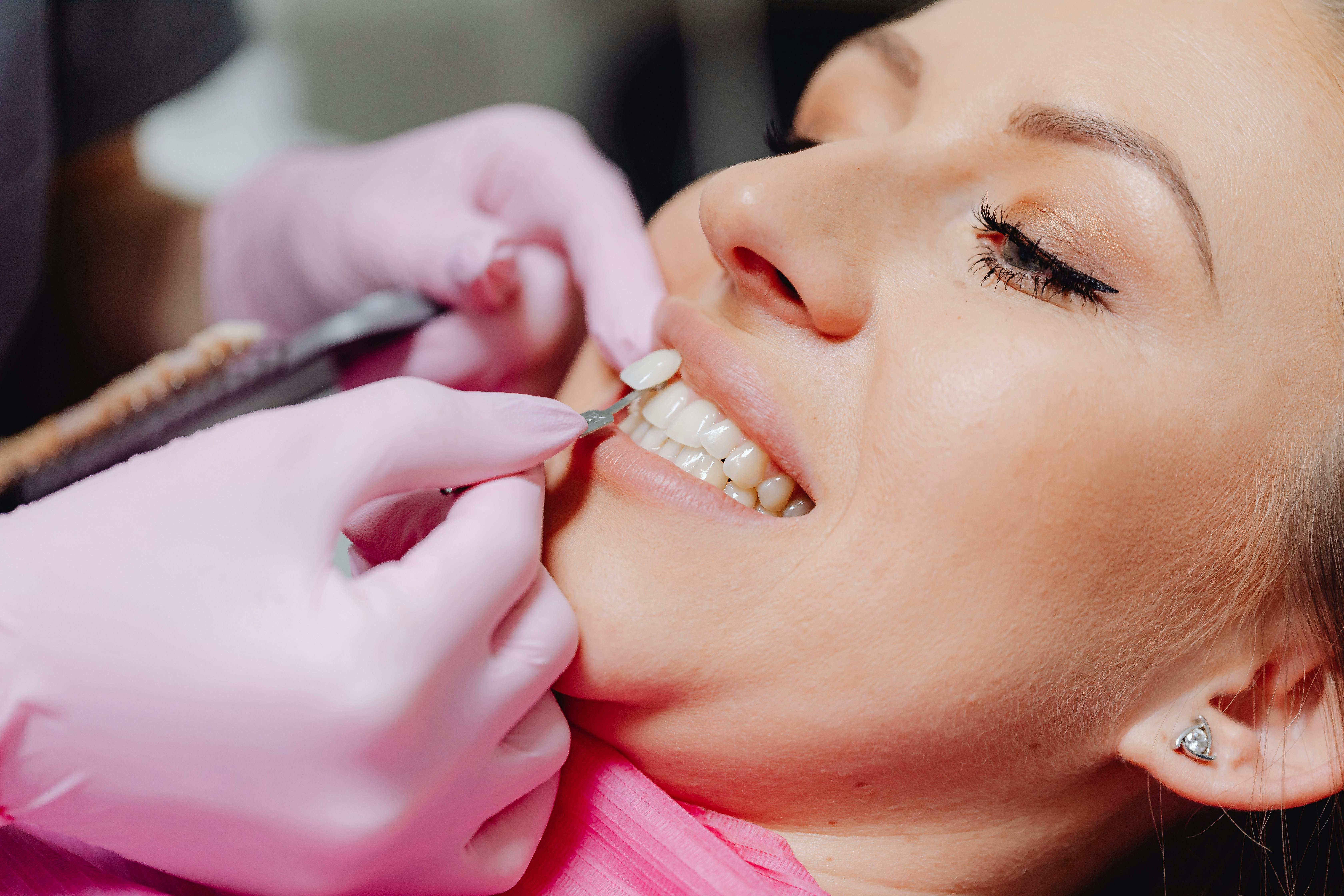
In 2026, achieving a radiant, confident smile is more accessible than ever, but navigating the vast landscape of teeth whitening options can be overwhelming. From revolutionary in-office dental bleaching to advanced at-home whitening kits and cutting-edge LED technologies, we dive deep into the best teeth whitening solutions, their costs, and what truly delivers on its promise for a brighter, stain-free smile. Discover the expert-backed insights to make your purchasing decision for optimal results.
Introduction to the Topic
The quest for a dazzling, white smile is a timeless pursuit, deeply intertwined with confidence and perceived youth. In 2026, as cosmetic dentistry continues its rapid evolution, the promise of a brighter smile isn't just a luxury; it's an accessible reality for millions. However, this accessibility comes with a bewildering array of choices. From professional dental bleaching performed in the comfort of your dentist's chair to an ever-expanding market of at-home whitening kits, strips, and innovative LED devices, understanding the true efficacy, safety, and value of each option is more crucial than ever. Are you considering investing in teeth whitening? This comprehensive guide from myadvanceddentist.com cuts through the noise, offering an in-depth look at the trending teeth whitening solutions of 2026, helping you discern what truly delivers the best results for your investment and lifestyle.
Backgrounds & Facts
Before embarking on your whitening journey, it's essential to understand why our teeth lose their pearly luster. Teeth staining is a multifactorial issue. Extrinsic stains, often superficial, result from consuming chromogenic foods and beverages like coffee, tea, red wine, and dark berries, as well as tobacco use. Intrinsic stains, however, are deeper, occurring within the tooth structure due to aging, certain medications (like tetracycline taken during tooth development), excessive fluoride intake, or even trauma.
The science behind modern teeth whitening primarily revolves around active ingredients like hydrogen peroxide and carbamide peroxide. These powerful agents penetrate the enamel and dentin, breaking down the chemical bonds of discolored molecules through an oxidation process. The result? Smaller, colorless molecules that reflect light more effectively, making your teeth appear brighter.
In 2026, the delivery methods for these agents have diversified significantly. We see highly concentrated gels applied by dental professionals in-office, custom-fitted trays for supervised at-home use, pre-dosed whitening strips, brush-on gels, and even advanced LED light systems designed to accelerate the whitening process. While generally safe, common side effects include temporary tooth sensitivity and gum irritation, which are typically mild and subside quickly. Understanding these fundamentals empowers you to make informed decisions about the safest and most effective path to a whiter smile.
Expert Opinion / Analysis
Dr. Evelyn Reed, a leading cosmetic dentist at myadvanceddentist.com, emphasizes, 'The biggest mistake patients make is assuming all whitening products are created equal or that a one-size-fits-all approach works. Your oral health, the type of staining, and even your existing dental work – such as crowns, veneers, or fillings – all play a critical role in determining the most effective and safest whitening strategy.'
Professional consultation is paramount. A dental professional can accurately diagnose the cause of your discoloration, check for underlying issues like cavities or gum disease that need addressing before whitening, and ensure your teeth and gums are healthy enough for treatment. They can also explain that whitening agents only affect natural tooth structure, meaning existing restorations like veneers or crowns will not change color and might need replacement to match your new brighter shade.
'In 2026, we're seeing incredible advancements in personalized dentistry,' Dr. Reed continues. 'Using AI-assisted diagnostic tools, we can now analyze a patient's enamel porosity, stain depth, and even genetic predispositions to sensitivity, allowing us to recommend highly customized whitening formulations and protocols. This not only optimizes results but significantly minimizes potential side effects. For instance, some patients benefit more from a higher concentration of hydrogen peroxide for a shorter duration, while others respond better to a lower concentration of carbamide peroxide applied over several weeks. The days of generic whitening are fading; precision is the future.' This expert analysis underscores the importance of a tailored approach, moving beyond simple product comparisons to a comprehensive understanding of individual needs and advanced dental insights.
💰 Best Options in Comparison (VERY IMPORTANT)
Navigating the array of teeth whitening solutions in 2026 can feel like a maze. To help you make the most informed decision, especially when considering your investment, we’ve broken down the leading options. Each method offers distinct advantages in terms of speed, cost, convenience, and efficacy. Remember, the 'best' option is always the one that aligns with your specific needs, budget, and desired outcome, ideally after a consultation with your dentist.
Here are the top categories of teeth whitening solutions trending in 2026:
- Professional In-Office Whitening: The Powerhouse Punch
This method, performed by your dentist, offers the fastest and most dramatic results. Utilizing high-concentration hydrogen peroxide gels, often activated by advanced light technology (like LED or laser systems), in-office treatments can brighten your smile by several shades in just one or two appointments. It’s the go-to for immediate impact and supervised safety. - Dentist-Prescribed At-Home Whitening Kits: Controlled Convenience
These kits involve custom-fitted whitening trays created from impressions of your teeth, along with professional-grade carbamide or hydrogen peroxide gels. While results are not as immediate as in-office treatments, they are highly effective and provide significant brightening over a period of 1-2 weeks of daily use. The custom trays ensure even application and minimize gum irritation, offering a balance of efficacy and convenience under professional guidance. - Advanced Over-the-Counter (OTC) Solutions: Accessible Innovation
The OTC market has seen significant innovation, particularly with advanced whitening strips (now often incorporating stronger, enamel-safe formulations) and integrated LED light kits. While generally less potent than professional options, these products offer a cost-effective and convenient way to achieve noticeable improvements for mild to moderate staining. They are ideal for those seeking an initial boost or maintaining results between professional treatments.
To help you compare these leading options side-by-side, here’s a detailed breakdown:
| Feature | Professional In-Office Whitening | Dentist-Prescribed At-Home Kits | Advanced Over-the-Counter (OTC) Kits |
|---|---|---|---|
| Methodology | High-concentration H2O2 gel applied by dentist, often with LED/laser activation. | Custom-fitted trays with professional-grade Carbamide/Hydrogen Peroxide gel. | Pre-dosed strips, brush-on gels, or trays with lower concentration gels, sometimes with portable LED lights. |
| Expected Results | Most dramatic (5-10+ shades lighter), uniform whitening. | Very good (3-8 shades lighter), natural-looking results. | Noticeable (1-3 shades lighter), variable depending on product and initial staining. |
| Speed of Results | Immediate (1-2 hours for significant change). | Gradual (1-2 weeks of daily use). | Slow (2-4+ weeks of consistent use). |
| Cost (Estimate 2026) | $$ (typically $500 - $1200+) | $$ (typically $250 - $600+) | $ - $ (typically $30 - $150) |
| Convenience | Requires dental visit(s). | At-home, flexible schedule after initial dental visit. | Fully at-home, easily integrated into routine. |
| Professional Supervision | Full-time during treatment. | Initial consultation and follow-up recommended. | None, self-administered. |
| Pros | Fastest, most effective, safest due to supervision, ideal for severe stains. | Highly effective, custom fit minimizes sensitivity, flexible, good for maintenance. | Most affordable, convenient, good for mild stains or touch-ups, widely available. |
| Cons | Highest cost, potential for temporary sensitivity. | Requires daily commitment, initial cost for trays. | Less dramatic results, higher risk of uneven whitening/gum irritation if misused, no professional guidance. |
| Ideal Candidate | Individuals seeking immediate, dramatic results for special occasions, or with significant discoloration. | Those wanting professional results at their own pace, good for maintenance after in-office treatment. | People with mild staining, on a budget, or for maintaining professional whitening results. |
Outlook & Trends
Looking ahead to the remainder of 2026 and beyond, the teeth whitening landscape is poised for even greater personalization and technological integration. We anticipate a surge in AI-powered diagnostic tools that don't just assess stain type but also predict individual response to various whitening agents based on saliva pH, enamel microstructure, and even genetic markers for sensitivity. This will lead to truly bespoke whitening formulations delivered with unparalleled precision.
Another significant trend is the rise of smart at-home devices. Imagine an at-home LED whitening kit that syncs with a mobile app, monitoring your progress, alerting you to potential gum irritation, and even adjusting light intensity or gel application time based on real-time feedback. These devices will bridge the gap between professional supervision and at-home convenience.
Furthermore, research into biomimetic dentistry is exploring ways to not just whiten but also strengthen enamel simultaneously, using ingredients that actively remineralize the tooth surface while lifting stains. The focus will shift from purely aesthetic change to holistic oral health enhancement. Expect to see more sustainable and ethically sourced product lines, catering to the environmentally conscious consumer, though efficacy will remain paramount. The future of teeth whitening promises not just brighter smiles, but healthier, more resilient ones, tailored to your unique biological blueprint.
Conclusion
Achieving a brighter, more confident smile in 2026 is an exciting and attainable goal, thanks to the diverse and advanced teeth whitening options available. From the immediate, dramatic transformations offered by professional in-office treatments to the controlled convenience of dentist-prescribed at-home kits and the accessible innovation of advanced OTC solutions, there's a perfect path for everyone.
However, the key to unlocking your brightest smile safely and effectively lies in informed decision-making. As highlighted by the experts at myadvanceddentist.com, understanding your specific needs, the nature of your stains, and consulting with a dental professional are non-negotiable steps. They can guide you through the pros and cons, assess your oral health, and recommend a personalized treatment plan that maximizes results while minimizing risks.
Don't let the array of choices overwhelm you. Take the first step towards a dazzling, healthy smile by exploring your options and making an educated investment. Ready to transform your smile? Book a personalized teeth whitening consultation with myadvanceddentist.com today and discover which 2026 solution is truly worth your investment!