
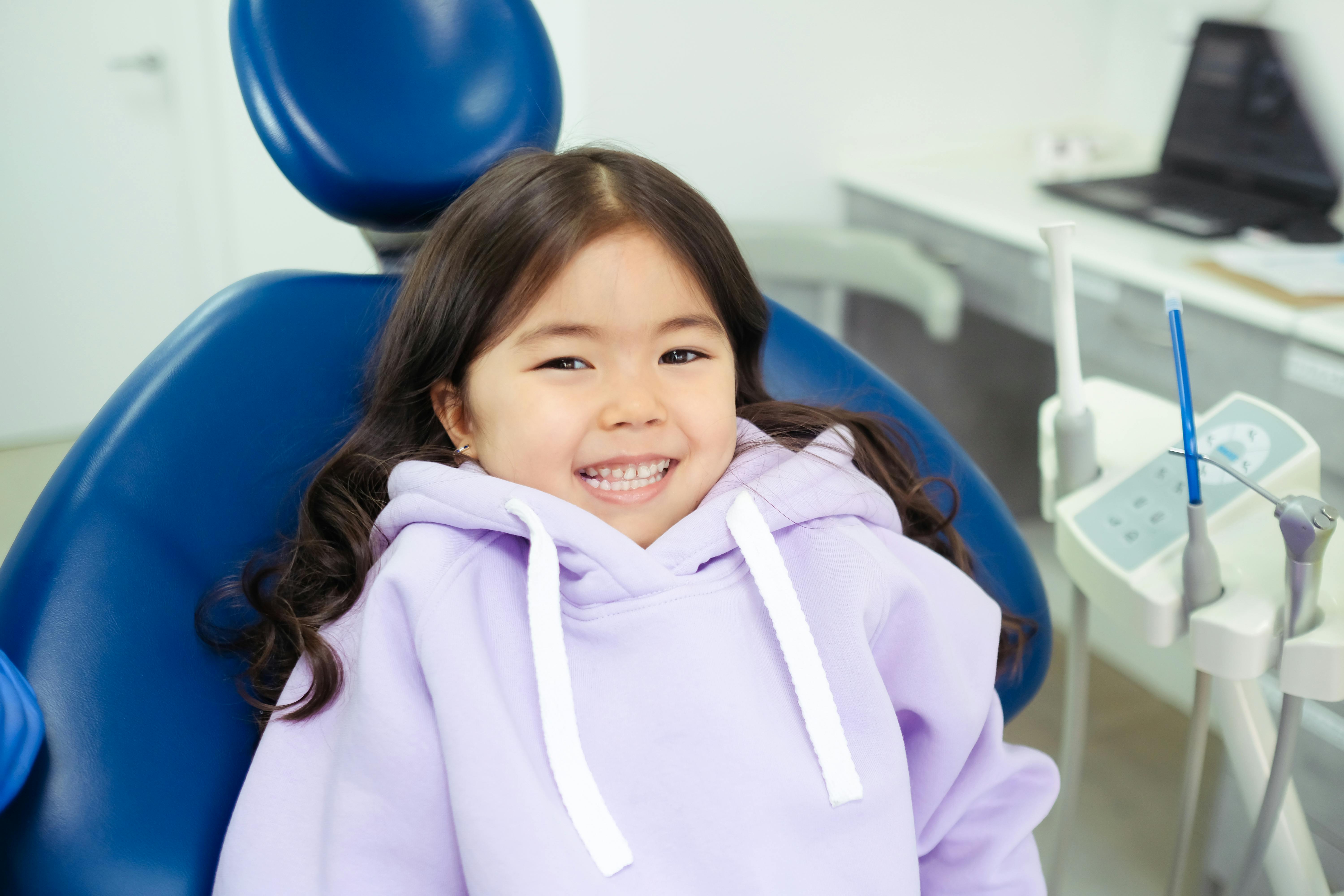
Discover the revolutionary pain-free and anxiety-free pediatric dental treatments of 2026. From advanced laser dentistry to cutting-edge sedation options and virtual reality immersion, ensure your child's dental visits are stress-free. Compare top clinics and innovative technologies designed for happy, healthy smiles and optimal dental health.
Introduction to the Topic
For generations, the dentist's office has been a source of apprehension for children and parents alike. The whir of the drill, the sting of an injection, and the unfamiliar environment could turn a routine check-up into a battle of wills, often leading to dental phobia that persists into adulthood. But it's 2026, and the landscape of pediatric dentistry has undergone a radical transformation. Gone are the days of fear and discomfort; welcome to an era where your child's dental visit can be a calm, even enjoyable, experience.
At myadvanceddentist.com, we understand that investing in your child's early dental health is paramount. It lays the foundation for a lifetime of healthy smiles and positive attitudes towards oral care. This article dives deep into the most innovative, pain-free, and anxiety-reducing solutions available today. We'll explore how cutting-edge technology and compassionate approaches are making pediatric dental care not just tolerable, but truly comfortable. If you're comparing options for your child's next dental appointment or seeking a more positive experience, you've come to the right place. Get ready to discover the future of stress-free pediatric dentistry.
Backgrounds & Facts
Dental anxiety affects an astonishing 15-20% of children globally, often stemming from negative past experiences, fear of pain, or even inherited parental anxieties. This fear isn't just an inconvenience; it can lead to missed appointments, neglected oral hygiene, and the progression of preventable issues like cavities and gum disease. Untreated dental problems in children can cause pain, difficulty eating, speech problems, and even impact school performance and self-esteem.
The traditional approach, often involving physical restraint or forced cooperation, has thankfully become a relic of the past in progressive pediatric practices. Today, the focus is squarely on creating a positive behavioral experience from the very first visit. Research consistently shows that positive early dental experiences significantly reduce the likelihood of developing dental phobia later in life. This shift has fueled the rapid adoption of advanced technologies and techniques designed specifically to minimize discomfort and maximize cooperation.
In 2026, parents are increasingly discerning, seeking out pediatric dentists who prioritize not just clinical excellence but also emotional well-being. They're looking for solutions that reduce or eliminate the need for traditional drills, needles, and the associated fear. This demand has spurred innovation in areas like laser dentistry, advanced sedation, and immersive distraction therapies, all aimed at making dental care accessible and pleasant for every child, regardless of their anxiety level.
Expert Opinion / Analysis
Dr. Amelia Chen, a leading pediatric dentist and consultant for myadvanceddentist.com, emphasizes the profound impact of modern techniques. "The paradigm shift we've witnessed in pediatric dentistry over the last decade is nothing short of revolutionary," she states. "We've moved beyond simply treating teeth; we're treating the whole child. Our goal is to cultivate a positive relationship with dental care that lasts a lifetime."
Dr. Chen highlights the integrated approach now common in top-tier pediatric practices. "It's not just about one technology; it's about a combination of techniques tailored to each child. For a child with mild apprehension, virtual reality might be enough. For another with significant anxiety or complex procedures, a combination of laser dentistry and conscious sedation might be the key. The beauty is in the personalization."
She also stresses the long-term benefits of investing in these advanced methods. "Parents often ask about the cost, but I tell them to consider the cost of inaction. Untreated dental issues lead to more extensive, more expensive, and more traumatic procedures down the line. Furthermore, nurturing a positive dental experience early on saves future emotional and financial costs associated with dental phobia. These aren't just 'fancy' options; they are essential tools for preventative care and building lifelong oral health habits." Dr. Chen advises parents to actively seek out clinics that offer a comprehensive suite of these modern solutions, ensuring their child receives the most comfortable and effective care possible.
💰 Best Options in Comparison (VERY IMPORTANT)
Navigating the array of advanced pediatric dental solutions can be overwhelming. To help you make an informed decision and find the best fit for your child, we've compiled a comparison of the leading pain-free and anxiety-reducing options available in 2026. These technologies and techniques are designed to transform your child's dental experience.
- Laser Dentistry (e.g., WaterLase iPlus, Solea Laser): These advanced dental lasers use light and water to perform many procedures traditionally requiring a drill and often anesthesia. They can precisely remove decay, prepare teeth for fillings, and even perform minor soft tissue surgeries with minimal or no pain, vibration, or heat. This often means no shots, no drills, and a much calmer experience for your child.
- Advanced Sedation Techniques: For children with moderate to high anxiety, or those requiring longer procedures, various sedation options are available.
- Nitrous Oxide ("Laughing Gas"): A mild sedative inhaled through a small mask, it helps children relax and feel giggly, with effects wearing off quickly after the procedure.
- Oral Sedation: Administered as a liquid or pill, this provides a deeper level of relaxation, making children drowsy and less aware of the procedure.
- IV Sedation: For very anxious children or extensive procedures, IV sedation offers a deeper, controlled state of relaxation, often administered by an anesthesiologist for maximum safety.
- Computer-Controlled Local Anesthesia (e.g., The Wand® STA System): This innovative system delivers local anesthetic very slowly and precisely, often making the injection itself virtually painless. The pen-like handpiece and controlled flow rate reduce pressure and discomfort, eliminating the 'sting' associated with traditional syringes.
- Virtual Reality (VR) Immersion & Distraction Therapy: Engaging VR headsets (such as those from HappyMed or DentalVR) transport children to calming or exciting virtual worlds during their treatment. This powerful distraction technique diverts attention from the dental procedure, significantly reducing anxiety and perceived discomfort without medication.
- Non-Invasive Cavity Management (SDF & GIC): For early-stage cavities or those in hard-to-treat areas, non-invasive options are gaining traction.
- Silver Diamine Fluoride (SDF): A liquid applied directly to cavities to stop their progression and prevent new ones, often without drilling or injections.
- Glass Ionomer Cements (GIC): Tooth-colored filling materials that release fluoride, ideal for small cavities and acting as a protective barrier, sometimes without the need for extensive drilling.
Comparison Table: Modern Pediatric Dental Solutions (2026)
| Solution | Anxiety Level Suitability | Invasiveness | Cost Factor (Relative) | Typical Procedures | Key Benefits |
|---|---|---|---|---|---|
| Laser Dentistry | Mild to Moderate | Minimally Invasive | $$ | Cavity preparation, soft tissue work, some fillings | Often drill-free, needle-free, no heat/vibration, faster healing |
| Nitrous Oxide (Sedation) | Mild to Moderate | Non-invasive (inhalation) | $ | Cleanings, fillings, minor extractions | Quick onset/offset, child remains conscious, reduces anxiety |
| Oral Sedation | Moderate to High | Non-invasive (oral) | $$ | Fillings, crowns, multiple procedures | Deeper relaxation, reduced memory of procedure, effective for longer visits |
| IV Sedation | High / Special Needs | Minimally Invasive (IV line) | $$ | Extensive treatments, oral surgery, very high anxiety | Deepest sedation, child asleep, supervised by anesthesiologist, safe for complex cases |
| Computer-Controlled Anesthesia (The Wand®) | Mild to Moderate | Minimally Invasive (injection) | $ | Local anesthesia for various procedures | Virtually painless injection, precise delivery, reduces needle phobia |
| Virtual Reality (VR) Immersion | Mild to Moderate | Non-invasive | $ | Cleanings, exams, minor procedures | Drug-free distraction, engaging, reduces perceived discomfort |
| SDF & GIC (Non-Invasive) | Mild (SDF) to Moderate (GIC) | Non-invasive (SDF) / Minimally Invasive (GIC) | $ | Arresting decay (SDF), small cavity fillings (GIC) | Often no drilling/anesthesia, fluoride release, preserves tooth structure |
When considering these options, it's crucial to discuss with your pediatric dentist which solution or combination of solutions is best suited for your child's unique needs, personality, and the specific dental work required. Many clinics now offer personalized consultations to create a tailored comfort plan.
Outlook & Trends
The future of pediatric dentistry in 2026 and beyond promises even greater strides in comfort and personalization. We anticipate further integration of Artificial Intelligence (AI) for predicting and managing dental anxiety, allowing dentists to proactively tailor environments and techniques to individual children. AI-powered diagnostic tools will also identify potential issues earlier, leading to even less invasive treatments.
Expect to see more advanced bio-regenerative materials that promote natural tooth repair, reducing the need for traditional fillings. Customized, 3D-printed dental appliances will become standard, ensuring perfect fit and comfort. Furthermore, teledentistry will continue to evolve, offering virtual consultations and monitoring, particularly for preventative care and post-procedure follow-ups, making dental care more accessible for busy families.
The emphasis will remain on preventative care, with innovations in personalized oral hygiene regimens based on genetic predispositions and microbiome analysis. The goal is to move towards a model where dental visits are primarily for prevention and positive reinforcement, rather than extensive treatment.
Conclusion
The days of dreading dental appointments are officially over. In 2026, pediatric dentistry stands at the forefront of patient comfort and technological innovation, offering an unparalleled array of pain-free and anxiety-reducing solutions. From the precision of laser dentistry and the calming effects of advanced sedation to the immersive escape of virtual reality and the gentle touch of computer-controlled anesthesia, there's a tailored approach for every child.
As parents, your choice of pediatric dental care profoundly impacts your child's long-term oral health and their perception of dentistry. By exploring these modern options, you're not just investing in healthy teeth; you're investing in a positive foundation for a lifetime of confident smiles. Don't let dental fear dictate your child's well-being. Take the next step: compare the best pediatric dentists in your area who offer these cutting-edge solutions and book a consultation today. Empower your child with a joyful, healthy dental future. Visit myadvanceddentist.com to find a top-rated pediatric dentist near you.