
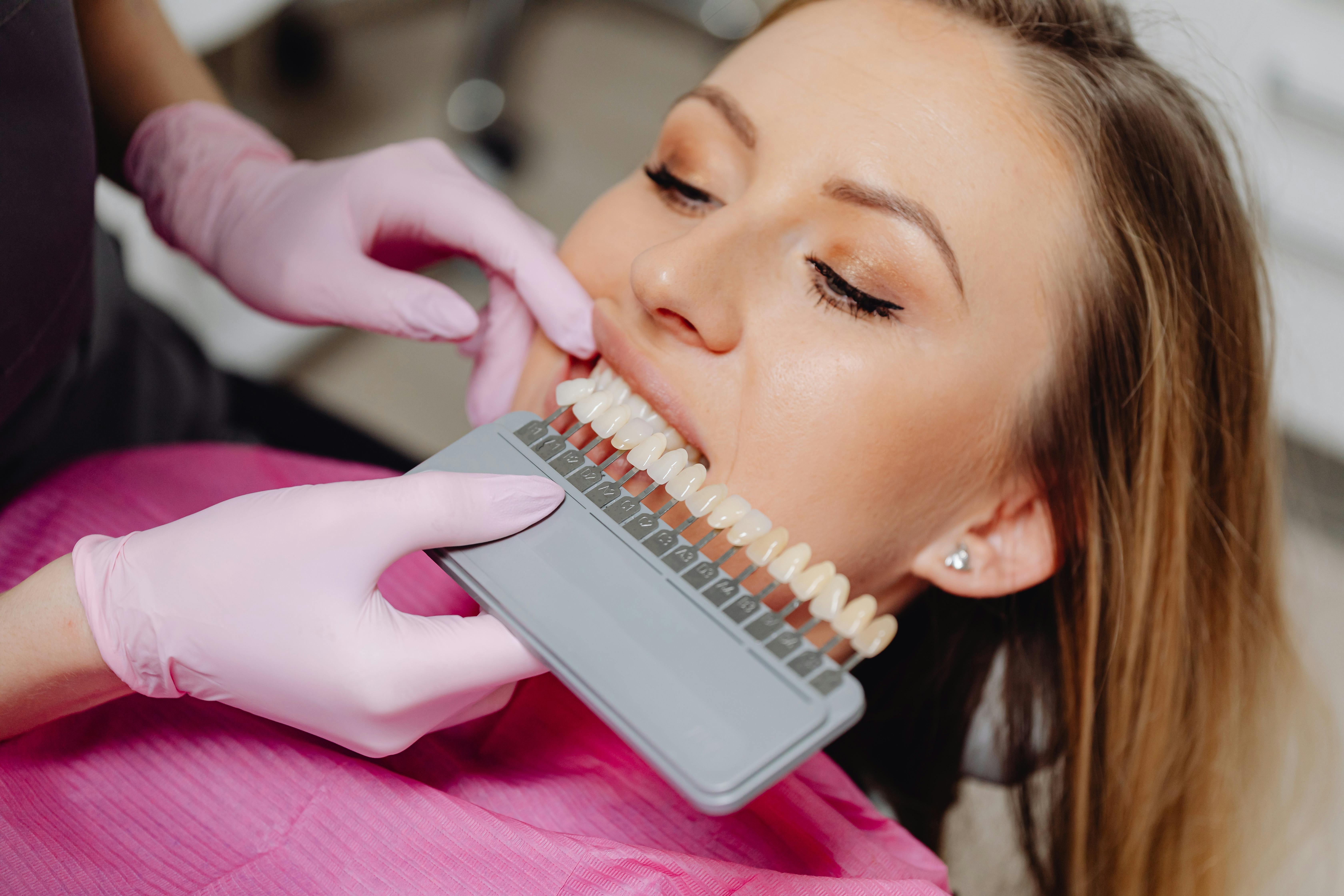
Tired of dull teeth? Discover the cutting-edge of teeth whitening in 2026! This comprehensive guide explores everything from professional laser whitening and dentist-prescribed kits to the best at-home strips, gels, and the latest trends. Learn about teeth whitening costs, safety, efficacy, and find the perfect solution for your brightest, most confident smile. Compare top options to make an informed purchasing decision and unlock a radiant future.
Introduction to the Topic
In 2026, the quest for a brighter, whiter smile is more accessible and advanced than ever before. A radiant smile isn't just about aesthetics; it's a powerful confidence booster that can impact personal and professional interactions. However, with an overwhelming array of options – from professional in-office treatments to a burgeoning market of at-home kits and trending DIY solutions – navigating the landscape of teeth whitening can feel daunting. Are you looking for the fastest results, the most affordable option, or the safest approach for sensitive teeth? This detailed guide from myadvanceddentist.com cuts through the noise, providing you with expert insights, crucial comparisons, and the latest trends to help you achieve your dream smile safely and effectively in the coming year. Get ready to unveil the future of dazzling white teeth!
Backgrounds & Facts
Our teeth naturally accumulate stains over time, a process influenced by various factors. The primary culprits include chromogenic foods and beverages like coffee, tea, red wine, and dark berries, as well as tobacco use. Aging also plays a significant role, as the outer enamel layer thins, revealing more of the yellowish dentin beneath. Genetics, certain medications (like tetracycline), and even excessive fluoride can contribute to discoloration. Understanding these factors is the first step toward preventing future stains and choosing the right whitening solution.
The science behind teeth whitening primarily revolves around the use of peroxide-based bleaching agents, typically hydrogen peroxide or carbamide peroxide. These agents penetrate the porous enamel and break down the chemical bonds of chromogens (stain molecules), effectively lightening the tooth structure. While the fundamental principle remains, advancements in delivery systems, concentrations, and activation methods have dramatically improved both the efficacy and safety of modern teeth whitening treatments. The global teeth whitening market continues to expand rapidly, driven by consumer demand for effective, convenient, and increasingly personalized solutions. However, it's crucial to distinguish between true whitening (changing the intrinsic color of the tooth) and surface stain removal, which many abrasive toothpastes claim to do.
Expert Opinion / Analysis
According to Dr. Elena Petrova, a leading cosmetic dentist and advisor for myadvanceddentist.com, "The most critical step before embarking on any teeth whitening journey is a professional dental consultation. What works for one person might not be suitable or safe for another. We need to assess your oral health, identify the type of staining, check for existing restorations (fillings, crowns), and discuss any potential sensitivities."
Dr. Petrova emphasizes the potential risks associated with unsupervised or improper use of whitening products. "Over-the-counter products, while convenient, often contain lower concentrations of bleaching agents, which might lead to inconsistent results. More concerning are the DIY trends, such as using activated charcoal or lemon juice, which lack scientific backing for whitening and can actually be abrasive, leading to enamel erosion and increased sensitivity. Enamel, once lost, doesn't grow back."
Professional guidance also helps manage common side effects like temporary tooth sensitivity and gum irritation. "We can recommend desensitizing agents or adjust treatment protocols to minimize discomfort. Furthermore, a dentist can ensure that the whitening agent doesn't compromise existing dental work, as fillings and crowns won't whiten, potentially leading to uneven results," Dr. Petrova adds. "In 2026, personalized treatment plans are paramount, ensuring both optimal aesthetic outcomes and long-term oral health."
💰 Best Options in Comparison (VERY IMPORTANT)
Choosing the best teeth whitening method depends on your budget, desired results, sensitivity levels, and commitment. Here's a breakdown of the leading options in 2026:
- Professional In-Office Whitening (e.g., Laser or LED-Activated Systems like Zoom! Whitening): This is the fastest and most effective way to achieve dramatic results. Performed by a dentist, it uses high-concentration peroxide gels activated by a specialized light (laser or LED) to accelerate the whitening process. Expect several shades lighter in just one or two sessions, typically lasting about an hour each. The high cost reflects the immediate, significant results and professional supervision, making it ideal for those seeking a rapid transformation for special events or who have stubborn stains. Many clinics offer 'teeth whitening near me' searches with these advanced options.
- Dentist-Prescribed At-Home Whitening Kits: A popular middle-ground, these kits involve custom-fitted trays made from impressions of your teeth, along with professional-grade whitening gel (typically carbamide peroxide). You apply the gel to the trays and wear them for a specified period each day, usually for 1-2 weeks. While slower than in-office treatments, they offer excellent, uniform results, and the custom trays minimize gum irritation while maximizing contact with the tooth surface. The cost is lower than in-office treatments but provides a higher level of safety and efficacy than OTC products.
- Over-the-Counter (OTC) Whitening Strips: Readily available at pharmacies and supermarkets, whitening strips are thin, flexible plastic strips coated with a peroxide-based gel. They are convenient, relatively affordable, and can produce noticeable results for mild to moderate staining over a few weeks. However, they are not custom-fit, which can lead to uneven whitening or gum irritation if the gel makes contact with soft tissues. Look for brands with ADA (American Dental Association) approval for added assurance.
- Whitening Gels and Pens: These products involve applying a peroxide-based gel directly onto the tooth surface, often with a brush or pen applicator. They offer targeted application and can be a good option for touch-ups or mild discoloration. Like strips, results are generally less dramatic than professional treatments, and careful application is needed to avoid gum irritation.
- Whitening Toothpastes and Mouthwashes: These are the least effective for true whitening, as they primarily work by removing surface stains through abrasive action or mild chemical agents. They contain very low concentrations of peroxide, if any, and require consistent use over a long period. They are best used for maintaining results after a professional whitening treatment rather than as a primary whitening solution. They are the most affordable teeth whitening option.
- Activated Charcoal and "Natural" Remedies: While trending heavily on social media, activated charcoal lacks scientific evidence for intrinsic teeth whitening. Its abrasive nature can remove surface stains but also poses a significant risk of enamel erosion and gum damage over time, potentially leading to increased sensitivity and a duller appearance. "Natural" remedies like lemon juice and baking soda are also highly acidic or abrasive and should be avoided due to irreversible damage to tooth enamel.
| Feature | Professional In-Office (e.g., Zoom!) | Dentist-Prescribed Trays | OTC Whitening Strips | OTC Whitening Gels/Pens | Whitening Toothpastes | Activated Charcoal (Caution!) |
|---|---|---|---|---|---|---|
| Effectiveness | Excellent (5-8+ shades lighter) | Very Good (3-6 shades lighter) | Good (1-3 shades lighter) | Good (1-3 shades lighter) | Minimal (surface stain removal) | Minimal (surface stain removal, abrasive) |
| Speed of Results | Immediate (1-2 hours) | 1-2 weeks | 2-4 weeks | 2-4 weeks | Ongoing, subtle | Ongoing, subtle |
| Cost (2026 Est.) | $$ ($500-$1,000+) | $$ ($300-$600) | $ ($30-$80) | $ ($20-$60) | $ ($5-$20) | $ ($10-$30) |
| Safety/Supervision | Highest (Dentist controlled) | High (Dentist guided) | Moderate (Self-administered) | Moderate (Self-administered) | High (Minimal risk) | Low (Enamel damage risk) |
| Sensitivity Risk | Moderate to High (Temporary) | Low to Moderate | Low | Low | Very Low | Moderate (Abrasive) |
| Longevity of Results | 6-12 months (with maintenance) | 6-12 months (with maintenance) | 3-6 months | 3-6 months | Short-term maintenance | Short-term, potential harm |
Outlook & Trends
The future of teeth whitening in 2026 and beyond is characterized by personalization, advanced technology, and a stronger emphasis on oral health integration. Expect to see:
- AI-Powered Personalization: Artificial intelligence will increasingly be used to analyze individual tooth shade, enamel thickness, and lifestyle factors to recommend highly customized whitening protocols, whether professional or at-home. This will optimize results and minimize side effects like sensitivity.
- Smart At-Home Devices: Integration of smart sensors and apps with at-home LED whitening kits will provide real-time feedback on application, duration, and progress, helping users achieve safer and more consistent results.
- Enamel-Strengthening Formulations: Whitening gels will continue to evolve, incorporating ingredients like fluoride, hydroxyapatite, and other desensitizing agents to not only whiten but also protect and strengthen enamel during the process, addressing a key consumer concern.
- Sustainable and "Clean" Ingredients: A growing demand for environmentally friendly and non-toxic products will drive innovation in natural-derived whitening agents that are both effective and safe, moving away from harsh chemicals where possible.
- Tele-Dentistry Consultations: Virtual consultations for teeth whitening will become even more prevalent, allowing dentists to assess suitability, recommend professional-grade at-home kits, and monitor progress remotely, increasing accessibility for busy individuals.
- Integrated Oral Health Systems: Whitening will be viewed less as a standalone cosmetic procedure and more as an integral part of a holistic oral health regimen, with products offering combined benefits for gum health, fresh breath, and stain prevention.
Conclusion
Achieving a dazzling white smile in 2026 is an attainable goal, but it requires informed decisions and, ideally, professional guidance. From the dramatic results of in-office laser whitening to the convenience of dentist-prescribed at-home kits and the affordability of quality OTC strips, there's a solution for nearly every need and budget. Remember, the best approach prioritizes your oral health, ensures safety, and delivers effective, lasting results. Before you invest in any teeth whitening product or service, consult with a dental professional to determine the optimal path for your unique smile. A brighter future, and a brighter smile, awaits!