
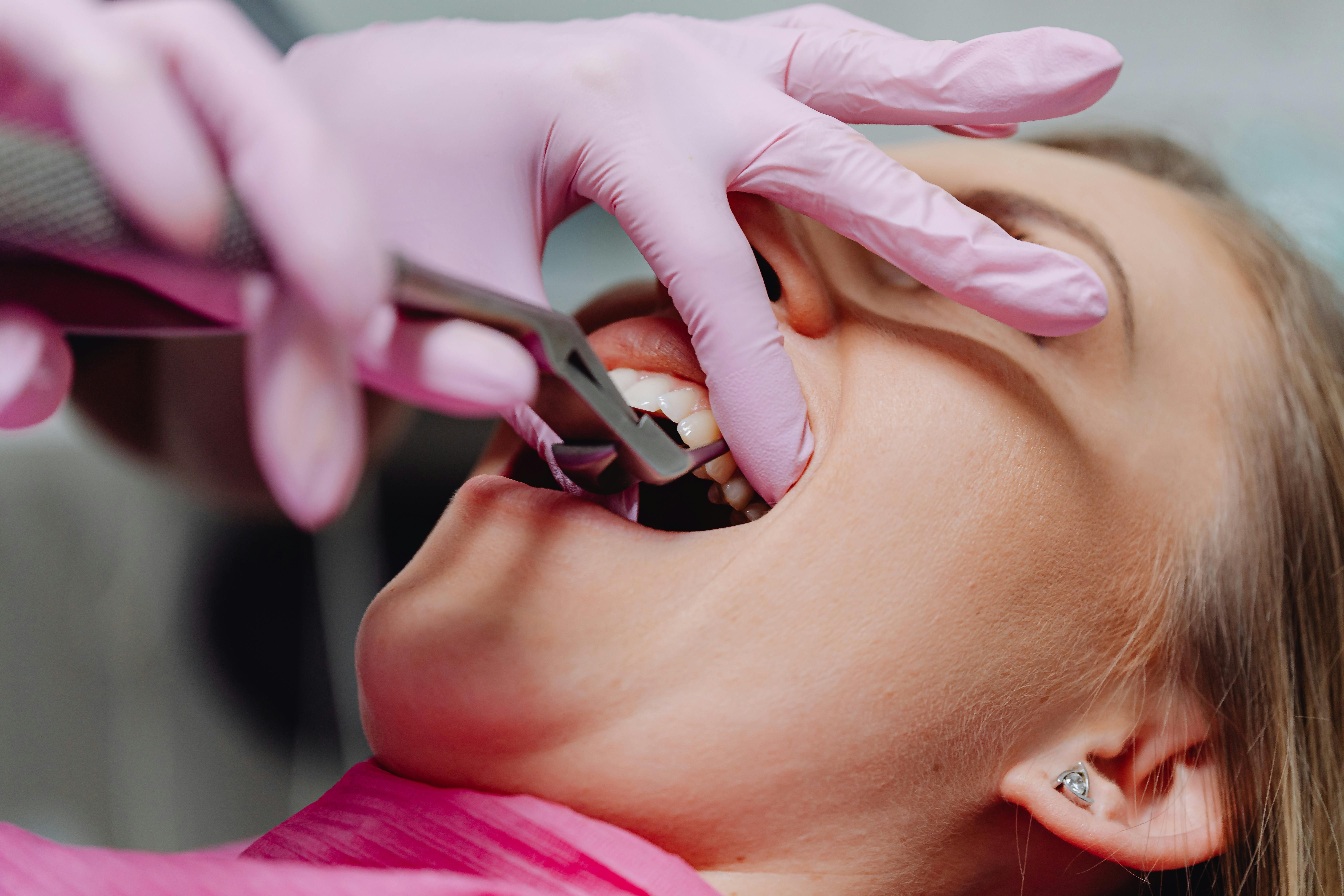
Dental emergencies strike when you least expect them, causing immense pain and anxiety. In 2026, navigating immediate dental care has evolved beyond the traditional hospital emergency room. Discover why specialized urgent dental care clinics are becoming the go-to solution for everything from severe toothaches to traumatic injuries, offering faster relief, expert care, and often more cost-effective alternatives. Learn how to choose the best emergency dental option for your situation, understand dental emergency costs, and save your smile and wallet.
Introduction to the Topic
Imagine this: It’s 2 AM, and a throbbing toothache has you clutching your jaw, or perhaps a sudden fall has left you with a fractured tooth. Dental emergencies don't adhere to business hours, and the pain can be excruciating. For years, the default option for such crises was the nearest hospital emergency room (ER). However, as we step into 2026, a significant shift is underway in how we access immediate dental care. The rise of dedicated urgent dental care clinics is revolutionizing emergency dentistry, offering a specialized, efficient, and often more affordable alternative to traditional ER visits or waiting for your regular dentist.
This comprehensive guide from myadvanceddentist.com will equip you with the knowledge to make smart, informed decisions when a dental emergency strikes. We’ll delve into why these specialized clinics are gaining prominence, explore their benefits, compare them with other options, and provide crucial insights into managing dental emergency costs and securing the best possible treatment for your smile.
Backgrounds & Facts
Dental emergencies are more common than you might think. Statistics from 2024 indicated that millions of Americans visit ERs annually for dental-related issues, with many cases being non-traumatic but highly painful conditions like severe toothaches, abscesses, or lost fillings. The problem? Hospital ERs, while vital for life-threatening conditions, are typically ill-equipped to provide definitive dental care. They often lack the specialized dental instruments, imaging equipment, and, crucially, the on-staff dental professionals required for anything beyond pain management and basic antibiotics.
This results in a frustrating cycle: patients endure long wait times, receive temporary relief, incur high hospital bills (often without specific dental insurance coverage), and are then referred to a dentist for follow-up – essentially paying twice for one problem. The societal cost of these inefficient ER visits is enormous, not just in healthcare expenditures but also in lost productivity and prolonged patient suffering.
Recognizing this critical gap, the healthcare landscape has seen the accelerated growth of urgent care models, now extending robustly into dentistry. These urgent dental clinics are specifically designed to address a wide spectrum of acute dental problems promptly. They operate with extended hours, often including weekends and holidays, and prioritize same-day dental appointments or walk-in dental clinic services. This evolution signifies a maturing understanding of dental health as an integral part of overall well-being, demanding specialized, immediate attention.
Expert Opinion / Analysis
“The emergence of dedicated urgent dental care clinics is perhaps the most significant advancement in emergency dentistry in decades,” states Dr. Anya Sharma, CEO of 'DentalCare Now,' a leading national network of urgent dental facilities. “For too long, patients were forced to choose between an ill-equipped ER or enduring severe pain until their regular dentist could fit them in. Urgent care clinics fill this critical void, offering specialized expertise and rapid intervention.”
Dr. Sharma emphasizes the technological integration driving this trend in 2026. “Many of our clinics now leverage AI-powered diagnostic tools, which can analyze X-rays and intraoral scans in minutes, aiding our dentists in faster, more accurate diagnoses for conditions like hidden fractures or deep infections. Furthermore, teledentistry for emergency triage has become standard. Patients can have a virtual consultation, often within minutes, to assess their situation, get initial advice on pain management, and determine if an in-person visit is immediately necessary. This not only saves time and reduces anxiety but also helps manage the flow of patients, ensuring those with critical needs are prioritized.”
The patient experience is also a key focus. “We understand that a dental emergency is inherently stressful,” Dr. Sharma explains. “Our clinics are designed to minimize wait times, provide clear communication, and offer advanced pain management techniques to ensure comfort. From digital check-ins to virtual reality headsets for anxiety reduction during procedures, we aim to transform a terrifying experience into a manageable one. Ultimately, our goal is to not just treat the immediate problem but also to educate patients and guide them back to regular preventive dental care, breaking the cycle of emergency-only visits.”
💰 Best Options in Comparison (VERY IMPORTANT)
When a dental emergency strikes, knowing your options can significantly impact your outcome, comfort, and financial burden. Here’s a detailed comparison of the primary avenues for immediate dental care in 2026:
- Urgent Dental Care Clinics: These specialized facilities are purpose-built for dental emergencies. They offer a wide range of services, including emergency extractions, abscess drainage, lost filling or crown re-cementation, fractured tooth repair, root canal consultations, and treatment for severe toothaches. They prioritize same-day appointments and walk-ins, often have extended hours, and are staffed by dentists and hygienists with expertise in acute care. Many clinics accept a variety of dental insurance plans and offer transparent pricing.
- Hospital Emergency Room (ER): While always an option for severe trauma (e.g., jaw fractures, uncontrollable bleeding, or emergencies accompanied by systemic symptoms like fever and swelling affecting breathing), ERs are generally not equipped for definitive dental treatment. They primarily offer pain relief, antibiotics, and referrals. They are 24/7, but wait times can be extensive, and costs are typically very high, with limited dental insurance coverage.
- Your Regular Dentist: The ideal scenario for a non-life-threatening emergency is to contact your established dental office. They have your complete dental history and can provide personalized care. However, availability can be a major hurdle. Most general dentists have specific office hours and may not have immediate openings, especially for walk-in emergencies. If you can get an immediate appointment, this is often the most comfortable and comprehensive option.
- Teledentistry for Emergency Triage: For initial assessment and advice, especially outside of business hours or if you’re unsure about the severity of your condition, teledentistry platforms offer a valuable first step. You can connect with a dentist virtually via video call, discuss your symptoms, receive preliminary advice on managing pain, and get guidance on whether an in-person visit is necessary and what type of facility to seek. This can save time and money, especially for less severe issues or for determining the best course of action.
| Option | Key Services | Cost (Estimate) | Wait Time | Specialization | Best For | Insurance Acceptance |
|---|---|---|---|---|---|---|
| Urgent Dental Clinic | Fractured teeth, severe toothaches, abscesses, lost fillings/crowns, emergency extractions, root canal consultations. | Moderate (often lower than ER for definitive care). | Short to moderate (designed for walk-ins/same-day). | Specialized emergency dental care. | Most common dental emergencies requiring immediate treatment. | Good (many accept dental insurance). |
| Hospital ER | Pain management, antibiotics, referrals. Severe trauma (jaw fractures, uncontrollable bleeding), systemic infections. | High (often without definitive dental treatment). | Long (prioritize life-threatening conditions). | General medical emergencies. | Life-threatening conditions, severe trauma affecting overall health. | Medical insurance (dental often not covered). |
| Your Regular Dentist (Emergency) | Comprehensive treatment for various emergencies, leveraging patient history. | Moderate (standard dental fees). | Varies greatly (depends on availability). | General dentistry (with personal knowledge). | Any emergency if an immediate appointment is available. | Good (standard dental insurance). |
| Teledentistry | Initial assessment, pain management advice, triage, referral guidance. | Low (often a consultation fee). | Very short (often immediate virtual connection). | Remote dental consultation & triage. | Unsure about severity, initial advice, outside of business hours. | Varies (some dental plans, direct payment). |
Outlook & Trends
The landscape of urgent dental care is set for continued innovation and expansion through 2026 and beyond. We anticipate further specialization within these clinics, with some focusing on pediatric dental emergencies, while others might offer specific services like advanced biomimetic repairs for fractured teeth that preserve more natural tooth structure. The integration of artificial intelligence will deepen, not just in diagnostics but also in predicting potential emergency risks based on patient history, allowing for proactive interventions.
Virtual reality (VR) and augmented reality (AR) are also poised to play a larger role. VR can be used to alleviate patient anxiety during procedures, creating immersive, calming environments. AR could assist dentists by overlaying real-time diagnostic data or procedural guides during complex emergency treatments. Furthermore, we might see the rise of subscription-based models for urgent dental care access, offering members priority appointments and discounted services, making emergency dental care even more accessible and affordable.
The emphasis will increasingly be on seamless integration with broader healthcare networks. Urgent dental clinics will work more closely with primary care physicians and specialists, ensuring that dental emergencies are viewed not in isolation but as part of a patient's overall health journey. This holistic approach, coupled with technological advancements, promises a future where immediate, expert dental care is not just available, but also highly personalized and truly patient-centric.
Conclusion
Dental emergencies are unpredictable, painful, and can be incredibly stressful. However, in 2026, you have more effective and efficient options than ever before. The rise of dedicated urgent dental care clinics has fundamentally changed the game, offering specialized expertise, rapid relief, and a more cost-effective solution compared to the traditional hospital ER. Understanding the differences between these options – urgent clinics, ERs, your regular dentist, and teledentistry – is crucial for making the best decision when every second counts.
Don't wait for a dental crisis to strike to figure out your plan. Proactively research the urgent dental care clinics in your area. Understand their services, hours, and insurance acceptance. Having this information on hand can transform a terrifying dental disaster into a manageable situation, ensuring you receive the immediate, expert care your smile deserves. Protect your oral health, save your wallet, and reclaim your peace of mind by being prepared. Your advanced smile depends on it!