
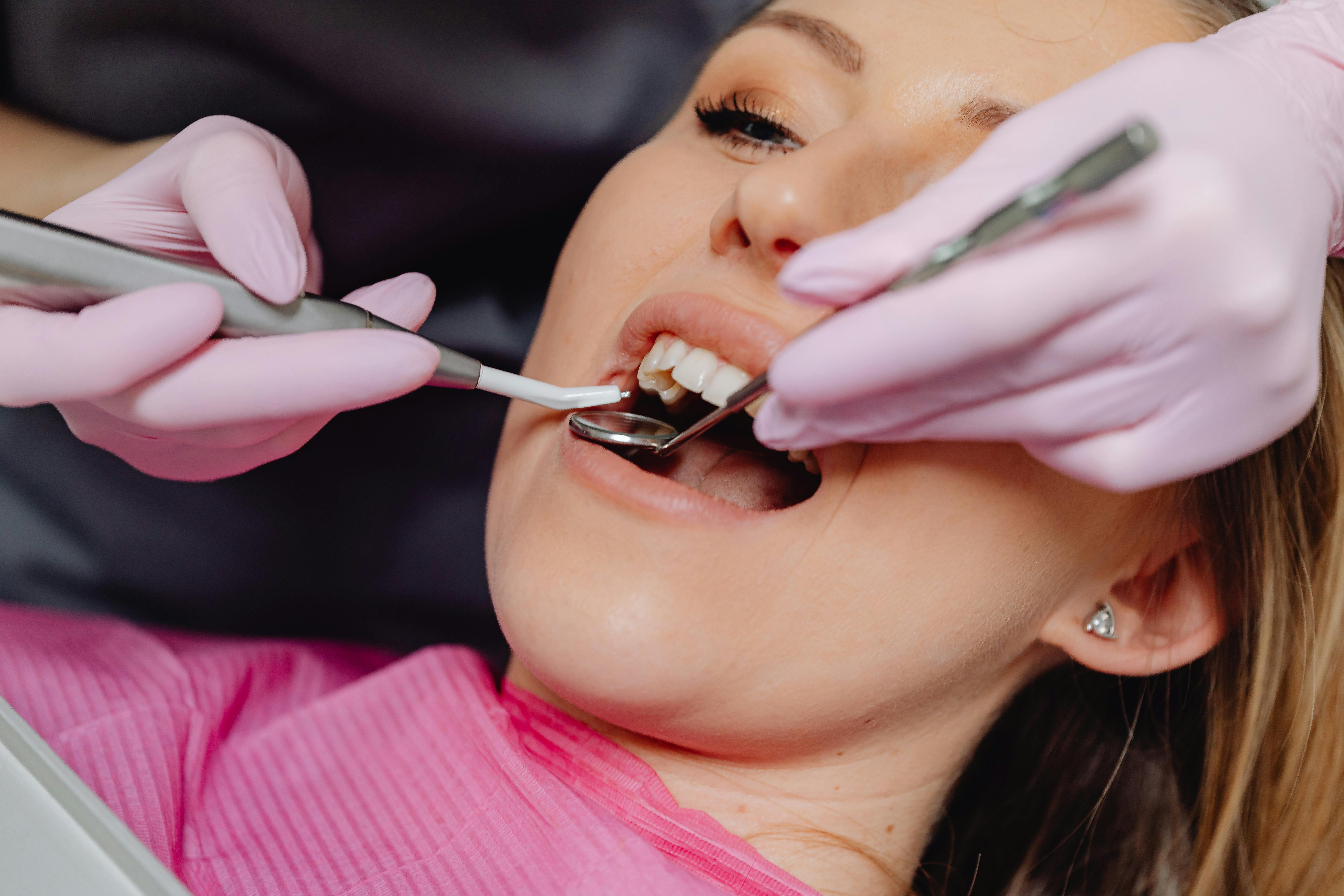
Navigating dental insurance in 2026 can be complex, but with this expert guide, you'll unlock massive savings on dental care. Discover the best dental plans, understand the pros and cons of traditional insurance versus innovative dental savings plans, and learn how to maximize your benefits for everything from preventive care to cosmetic dentistry. Stop overpaying and get the affordable dental coverage you need now!
Introduction to the Topic
Welcome to 2026! In an era where healthcare costs continue to climb, ensuring your oral health remains a top priority – and an affordable one. Dental insurance, once a straightforward but often confusing necessity, has evolved significantly. With new technologies, diverse plan structures, and a heightened focus on overall wellness, making the right choice for your dental coverage can feel overwhelming. Are you tired of hidden fees, long waiting periods, and annual maximums that barely cover a single major procedure? You're not alone. This comprehensive guide from MyAdvancedDentist.com is designed to demystify dental insurance in 2026, equipping you with the knowledge to make smart, money-saving decisions that protect your smile and your wallet.
Whether you're an individual seeking coverage, a family planning for comprehensive care, or someone exploring options beyond traditional employer-sponsored plans, understanding the evolving landscape is crucial. Our goal is to help you navigate the myriad of choices, from PPO and HMO plans to the increasingly popular dental savings plans, ensuring you maximize your dental benefits and secure the high-quality care you deserve without breaking the bank. Let's dive into the future of dental coverage and unlock the secrets to affordable, premium oral health.
Backgrounds & Facts
The dental care landscape in 2026 is marked by both innovation and rising costs. According to recent projections, the average cost of major dental procedures continues its upward trajectory, driven by advancements in technology, materials, and specialized care. This makes effective dental coverage more critical than ever. Traditional dental insurance, primarily offered through PPO (Preferred Provider Organization) and HMO (Health Maintenance Organization) models, has long been the standard. PPOs offer flexibility in choosing dentists but often come with higher premiums and deductibles, while HMOs typically have lower costs but restrict choices to a specific network.
However, the past few years have seen a significant shift. Many consumers are frustrated with the limitations of traditional plans: restrictive annual maximums that haven't kept pace with inflation, lengthy waiting periods for major work, and often minimal to no coverage for popular cosmetic dentistry procedures. This dissatisfaction has fueled the rise of compelling alternatives. Dental Savings Plans (DSPs), for instance, have surged in popularity. These are not insurance but membership programs where individuals pay an annual fee to receive significant discounts (typically 20-60%) on most dental procedures directly from participating dentists. They boast no deductibles, no annual maximums, and often no waiting periods, making them an attractive option for immediate savings.
Furthermore, technology is playing a transformative role. Tele-dentistry, once a niche service, is now widely integrated, offering convenient virtual consultations and follow-ups that some plans are beginning to incorporate. Artificial intelligence (AI) is streamlining claims processing, reducing administrative overhead, and even assisting dentists in diagnostics, potentially leading to more accurate and efficient treatment plans. As we look at the facts, it's clear that the 'one-size-fits-all' approach to dental coverage is rapidly becoming obsolete, paving the way for more personalized and flexible solutions.
Expert Opinion / Analysis
“The dental insurance market in 2026 is undergoing a profound transformation, moving away from a purely reactive model to one that emphasizes proactive prevention and consumer empowerment,” states Dr. Evelyn Reed, Chief Dental Economist at MyAdvancedDentist.com. “For too long, patients have felt like they’re navigating a maze of jargon, co-pays, and exclusions. Today, the focus is shifting towards transparency, flexibility, and tangible value.”
Dr. Reed highlights several key trends. “Firstly, the 'oral-systemic link' – the connection between oral health and overall bodily health – is finally receiving the recognition it deserves. This means we're seeing more plans incentivize regular preventive care, not just as a cost-saving measure for insurers, but as a critical component of holistic wellness. Secondly, the digital revolution, particularly tele-dentistry and AI-driven insights, is enabling more personalized plan offerings. Imagine a plan that adjusts its benefits based on your specific risk factors, adherence to preventive care, or even your historical dental needs – that’s where we’re headed.”
From an analytical perspective, Dr. Reed advises consumers to critically evaluate their current and projected dental needs. “If you anticipate needing major work like crowns, bridges, or orthodontics, a traditional PPO might still offer the most robust coverage, provided you can manage the waiting periods and annual maximums. However, for those focused on routine check-ups, cleanings, and perhaps some cosmetic enhancements, or for individuals with immediate dental needs, a high-quality Dental Savings Plan often provides superior immediate value and flexibility. The key is understanding that 'insurance' isn't always the only, or even the best, solution for managing dental costs anymore.” She emphasizes the importance of comparing not just premiums, but also deductibles, annual maximums, waiting periods, and importantly, the specific procedures covered, especially for cosmetic dentistry which remains a gray area for many traditional plans.
💰 Best Options in Comparison (VERY IMPORTANT)
Choosing the right dental coverage in 2026 can lead to significant savings and better oral health outcomes. Here, we break down the leading options, helping you identify the best fit for your unique needs and budget.
-
Traditional Dental Insurance (PPO/HMO)
These are the plans most people are familiar with, often offered through employers or purchased individually. PPO plans offer flexibility to choose any dentist (though in-network dentists are cheaper), while HMOs require you to select a primary dentist within their network. They typically cover 100% of preventive care (cleanings, X-rays), 80% of basic procedures (fillings, extractions), and 50% of major procedures (crowns, bridges) after a deductible is met. However, they almost always come with annual maximums (e.g., $1,000-$2,000) and waiting periods for major services, which can be a significant drawback for those needing immediate or extensive work. Cosmetic dentistry is rarely covered.
-
Dental Savings Plans (DSPs)
A rapidly growing alternative to traditional insurance, DSPs are membership programs where you pay an annual fee (typically $100-$200 for individuals, more for families) and gain access to a network of dentists who offer 20-60% discounts on virtually all procedures. Key advantages include no deductibles, no annual maximums, and crucially, no waiting periods – you can use your plan immediately. Many DSPs also include discounts on cosmetic procedures like teeth whitening, veneers, and orthodontics, which traditional insurance often excludes. They offer unparalleled flexibility and transparency, making them ideal for budget-conscious individuals or those with immediate dental needs.
-
Employer-Sponsored vs. Individual Plans
If your employer offers dental benefits, this is often the most cost-effective route due to employer contributions to premiums. However, if employer plans are limited or unavailable, individual dental insurance and dental savings plans offer robust alternatives. Individual plans provide more choice but require you to bear the full premium cost. Always compare the benefits, networks, and costs of employer plans against individual options before deciding.
-
Direct-to-Dentist Membership/Subscription Plans
Many forward-thinking dental practices now offer their own in-house membership plans. For an annual or monthly fee paid directly to the practice, you receive a set number of preventive services (cleanings, exams, X-rays) and discounts on other treatments performed at that specific office. These are excellent for patients loyal to a particular dentist and who prioritize simplicity and direct relationships, though they lack the network breadth of DSPs or traditional insurance.
To help you visualize the differences and make an informed decision, here's a detailed comparison of the two most prevalent options:
| Feature | Traditional Dental Insurance (PPO/HMO) | Dental Savings Plans (DSPs) |
|---|---|---|
| Cost Structure | Monthly Premiums, Deductibles, Co-pays/Coinsurance | Annual Membership Fee (No Premiums, Deductibles, Co-pays) |
| Coverage Type | Insurance (pays a percentage of cost) | Discount Program (reduces the cost directly) |
| Annual Maximums | YES (typically $1,000 - $2,000) | NO |
| Waiting Periods | YES (often 6-12 months for major procedures) | NO (immediate use) |
| Cosmetic Dentistry | Rarely covered | Often discounted (20-60%) |
| Network Flexibility | PPO: Choose any dentist (in-network saves more). HMO: Restricted network. | Extensive network of participating dentists (choose from a list). |
| Claim Filing | YES (can be complex) | NO (pay discounted rate directly to dentist) |
| Best For | Individuals/families needing extensive, predictable major work over time, willing to wait. | Budget-conscious individuals, those needing immediate work, cosmetic procedures, or seeking flexibility without annual limits. |
Outlook & Trends
Looking ahead to the rest of 2026 and beyond, the dental coverage landscape will continue its evolution towards greater personalization and technological integration. We anticipate a further expansion of plans that bundle dental care with overall wellness programs, reflecting the growing recognition of the oral-systemic health connection. Expect to see more incentives for healthy habits, possibly even lower premiums or increased benefits for maintaining good oral hygiene and general health.
Tele-dentistry is poised to become an even more integral part of routine dental care. Insurers and DSPs will likely expand coverage for virtual consultations, initial assessments, and post-procedure follow-ups, making dental care more accessible, especially for those in remote areas or with mobility challenges. AI will continue to refine claims processing, making it faster and more accurate, and may even begin to influence plan design by predicting individual dental needs more precisely, potentially leading to dynamic, usage-based pricing models that reward proactive care.
The trend towards transparency and direct-to-consumer options, like Dental Savings Plans and in-house memberships, will strengthen. Consumers are demanding clarity and value, and the market is responding with innovative solutions that bypass traditional insurance complexities. Ultimately, the future of dental coverage in 2026 promises more choice, greater flexibility, and a stronger focus on preventive care, empowering individuals to take charge of their oral health in ways never before possible.
Conclusion
Navigating the world of dental coverage in 2026 doesn't have to be a source of stress. By understanding the key differences between traditional dental insurance and the increasingly popular Dental Savings Plans, you are now equipped to make an informed decision that aligns with your specific dental needs and financial goals. Remember, the 'best' plan isn't a universal answer; it's the one that provides the most value for your unique situation, whether you prioritize extensive major work, immediate savings, or comprehensive cosmetic coverage.
Don't let outdated information or confusion prevent you from achieving optimal oral health. Take control of your dental care budget today. Visit MyAdvancedDentist.com to explore our curated list of top-rated Dental Savings Plans providers for 2026, find dentists near you who accept these plans, and access more resources to help you save thousands on your dental care. Your healthy, confident smile awaits!