
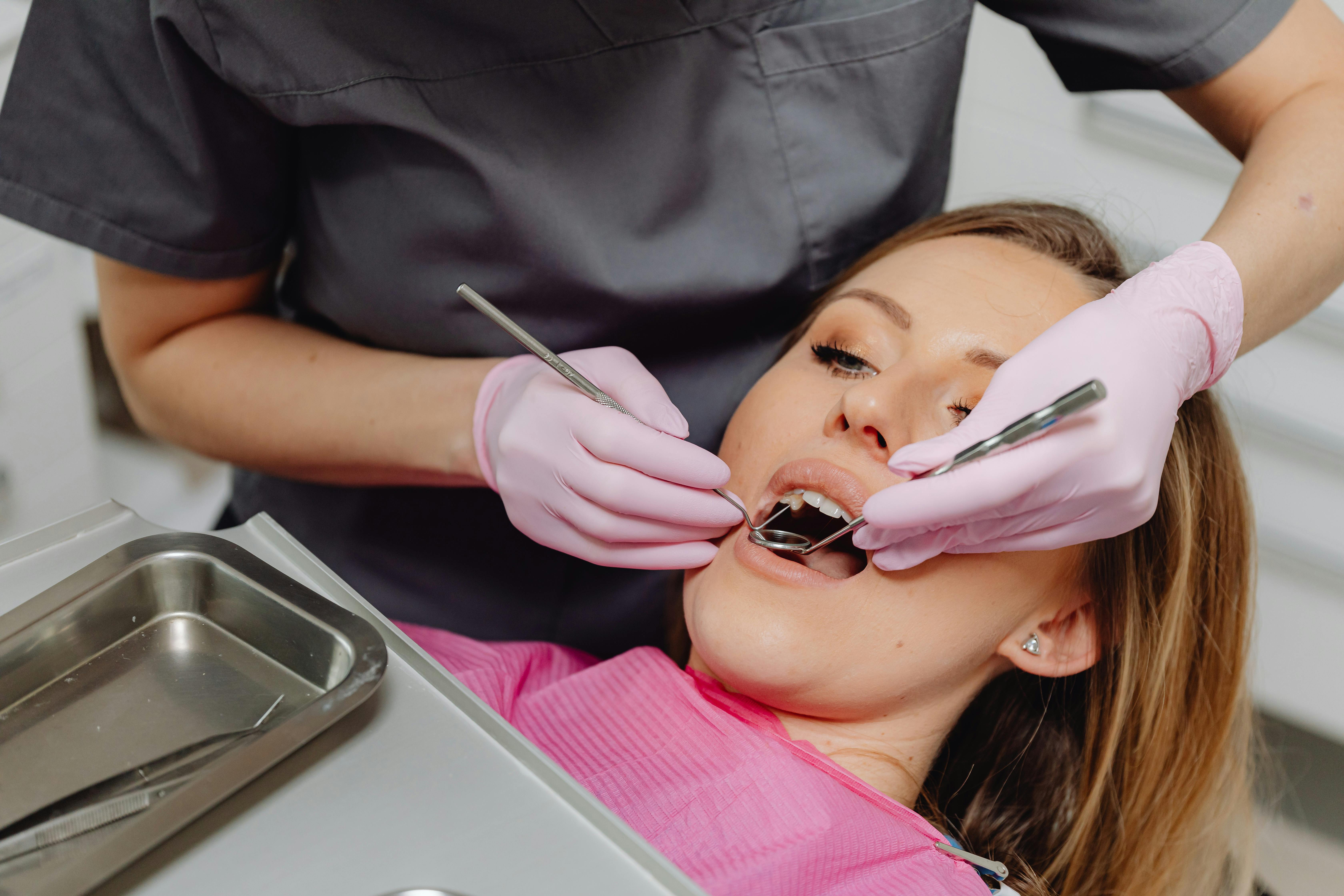
Navigating dental care costs in 2026 just got smarter. Discover how AI, value-based care, and innovative alternatives like dental savings plans and direct primary dental care are reshaping coverage, offering unprecedented savings, and putting you in control of your oral health budget. Get ready to find your perfect smile solution!
Introduction to the Topic
In 2026, the landscape of dental insurance is undergoing a transformative shift. For too long, securing comprehensive, affordable dental care felt like navigating a labyrinth of deductibles, waiting periods, and annual maximums. But good news is on the horizon! The industry is evolving rapidly, driven by technological advancements, a deeper understanding of oral-systemic health, and a consumer demand for transparency and value. This isn't just about finding 'insurance' anymore; it's about discovering the smartest, most cost-effective path to maintaining a healthy, radiant smile for you and your family.
At myadvanceddentist.com, we understand that a healthy smile is an investment, not an expense. This comprehensive guide will cut through the jargon, revealing the cutting-edge trends and best options available today. We'll explore how artificial intelligence is streamlining benefits, how value-based care is prioritizing your long-term health, and why innovative alternatives are offering unprecedented flexibility and savings. Prepare to unlock a new era of dental benefits, designed to keep your smile bright and your wallet happy.
Backgrounds & Facts
For decades, traditional dental insurance models, primarily PPO (Preferred Provider Organization) and HMO (Health Maintenance Organization) plans, have dominated the market. While these plans offer a safety net for many, they often come with significant limitations. High deductibles, annual maximums that haven't kept pace with rising treatment costs, and frustrating waiting periods for major procedures like crowns or implants have left many feeling underserved. A staggering percentage of Americans still avoid necessary dental care due to cost concerns, directly impacting their overall health and quality of life.
The average cost of common procedures continues to climb. A single crown can range from $800 to $2,000, while dental implants, a popular and effective solution for tooth loss, can easily exceed $3,000 per tooth. Orthodontic treatments, often deemed cosmetic, can run into many thousands. These figures highlight why smart financial planning for dental health is not just beneficial, but essential. Historically, insurance companies focused on covering a percentage of procedures, often without deeply integrating preventative outcomes or long-term health benefits into their core models. This 'sick care' approach is now being challenged by a new paradigm that emphasizes wellness, prevention, and tangible value for the patient.
Expert Opinion / Analysis
“The dental benefits sector in 2026 is unrecognizable compared to a decade ago,” states Dr. Anya Sharma, CEO of myadvanceddentist.com and a leading voice in dental innovation. “We're seeing a powerful convergence of technology, patient empowerment, and a holistic view of health. AI, for instance, isn't just a buzzword; it's revolutionizing claim processing, reducing fraud, and even personalizing benefit recommendations based on individual oral health profiles and risk factors. Imagine a plan that proactively suggests preventative measures based on your unique dental history – that's already becoming a reality.”
Dr. Sharma further elaborates on the rise of Value-Based Care (VBC) in dentistry. “VBC shifts the focus from the volume of procedures to the quality of patient outcomes. Instead of simply paying for fillings, insurers and benefit providers are increasingly incentivizing dentists to provide care that prevents future issues, promotes long-term oral health, and reduces the need for costly interventions down the line. This means more emphasis on preventative screenings, patient education, and early intervention. It's a win-win: patients get healthier, more sustainable care, and benefit providers see reduced long-term costs.”
Another significant trend, according to Dr. Sharma, is the explosion of direct-to-consumer models. “Dental Savings Plans and Direct Primary Dental Care (DPDC) memberships are empowering patients like never before. They bypass traditional insurance complexities, offering transparent pricing and immediate access to care. This isn't just about saving money; it's about reclaiming control over your dental health decisions and fostering a stronger, more direct relationship with your dental provider.” These innovations are creating a competitive market where consumers are the ultimate beneficiaries, pushing traditional insurers to adapt and offer more flexible, value-driven options.
💰 Best Options in Comparison (VERY IMPORTANT)
Choosing the right dental coverage in 2026 means understanding the diverse landscape of options available. Beyond traditional insurance, innovative alternatives are providing robust solutions for every budget and need. Here's a breakdown of the leading choices:
-
1. Enhanced Traditional Dental Insurance (PPO/HMO)
While traditional plans still form the backbone of many employer benefits, 2026 models are more flexible. PPO plans offer broader network choices and often better coverage for major procedures after deductibles. HMOs typically have lower premiums and co-pays but restrict you to a specific network. Look for plans with expanded preventative coverage, lower waiting periods, and increasingly, options for cosmetic or implant coverage as riders.
-
2. Dental Savings Plans (Discount Plans)
These are not insurance but membership programs where you pay an annual fee (typically $100-$200 for individuals, more for families) and receive significant discounts (10-60%) on most dental procedures from participating dentists. Key advantages include no deductibles, no annual maximums, no waiting periods, and often coverage for cosmetic dentistry and orthodontics. They are ideal for individuals or families needing immediate care or extensive work.
-
3. Direct Primary Dental Care (DPDC) / Dental Membership Plans
Often offered directly by dental practices, these plans involve a monthly or annual subscription fee paid directly to your dentist. In return, you receive a package of services, typically including preventative care (cleanings, exams, X-rays) at no extra cost, and discounted rates on other procedures. This fosters a direct, trusting relationship with your dentist, eliminates insurance paperwork, and offers predictable costs. It's perfect for those who prefer a single, trusted provider.
-
4. Employer-Sponsored Benefits (Optimized for 2026)
Many employers are now offering more diverse dental benefits, including choices between traditional insurance, dental savings plans, or even contributions towards DPDC memberships. They may also integrate dental wellness programs, offering incentives for preventative care and healthy habits. Always review your employer's offerings carefully, as they often provide the best value due to shared costs.
Here’s a comparative look at key features:
| Feature | Traditional PPO/HMO Insurance | Dental Savings Plan | Direct Primary Dental Care (DPDC) |
|---|---|---|---|
| Waiting Periods | Common for major procedures (6-12+ months) | None – immediate discounts | None – immediate access to benefits |
| Annual Maximums | Yes, typically $1,000-$2,000 | No annual limits on savings | No annual limits (beyond plan inclusions) |
| Deductibles | Common, $50-$150+ | None | None (monthly fee covers inclusions) |
| Network Flexibility | PPO: Broad; HMO: Restricted | Participating dentists only (large networks) | Specific practice only |
| Procedure Coverage | Preventative (100%), Basic (80%), Major (50%) | Discounts on most procedures, often including cosmetic/ortho | Preventative inclusions, discounts on others |
| Cost Predictability | Can be complex with co-pays, deductibles, percentages | Transparent discount percentages | Highly predictable monthly/annual fee + discounted rates |
| Ideal For | Those with employer plans, or who need comprehensive coverage over time with patience for waiting periods. | Individuals/families needing immediate, extensive, or cosmetic care; self-employed; retirees. | Patients loyal to one practice, prioritizing direct relationship and preventative care; transparent pricing. |
Outlook & Trends
The future of dental benefits in 2026 and beyond promises even greater innovation. Expect to see further integration of AI for predictive analytics, identifying patients at high risk for certain conditions and proactively offering preventative solutions. Telehealth will continue to play a larger role, not just for initial consultations but also for pre-authorization processes and post-treatment follow-ups, making dental care more accessible and efficient.
The shift towards holistic health will deepen, with dental benefits increasingly recognizing the intrinsic link between oral health and overall systemic well-being. Plans may offer incentives for managing chronic conditions like diabetes or heart disease, acknowledging their connection to oral health. Personalization will be paramount, with plans dynamically adjusting to an individual's changing health needs, lifestyle, and even genetic predispositions. The 'consumerization' of dental benefits means more control, choice, and transparency for you, the patient, ensuring that your path to a healthy smile is clearer and more affordable than ever before.
Conclusion
In 2026, navigating dental coverage no longer means settling for limited options. With the rise of advanced traditional plans, robust dental savings plans, and direct primary dental care models, you have more power than ever to secure the care you need at a price you can afford. Take the time to evaluate your individual needs, consider the pros and cons of each option, and choose the solution that best aligns with your oral health goals and financial comfort. A healthy, confident smile is within your reach – armed with this knowledge, you are ready to make the smartest choice for your future.