
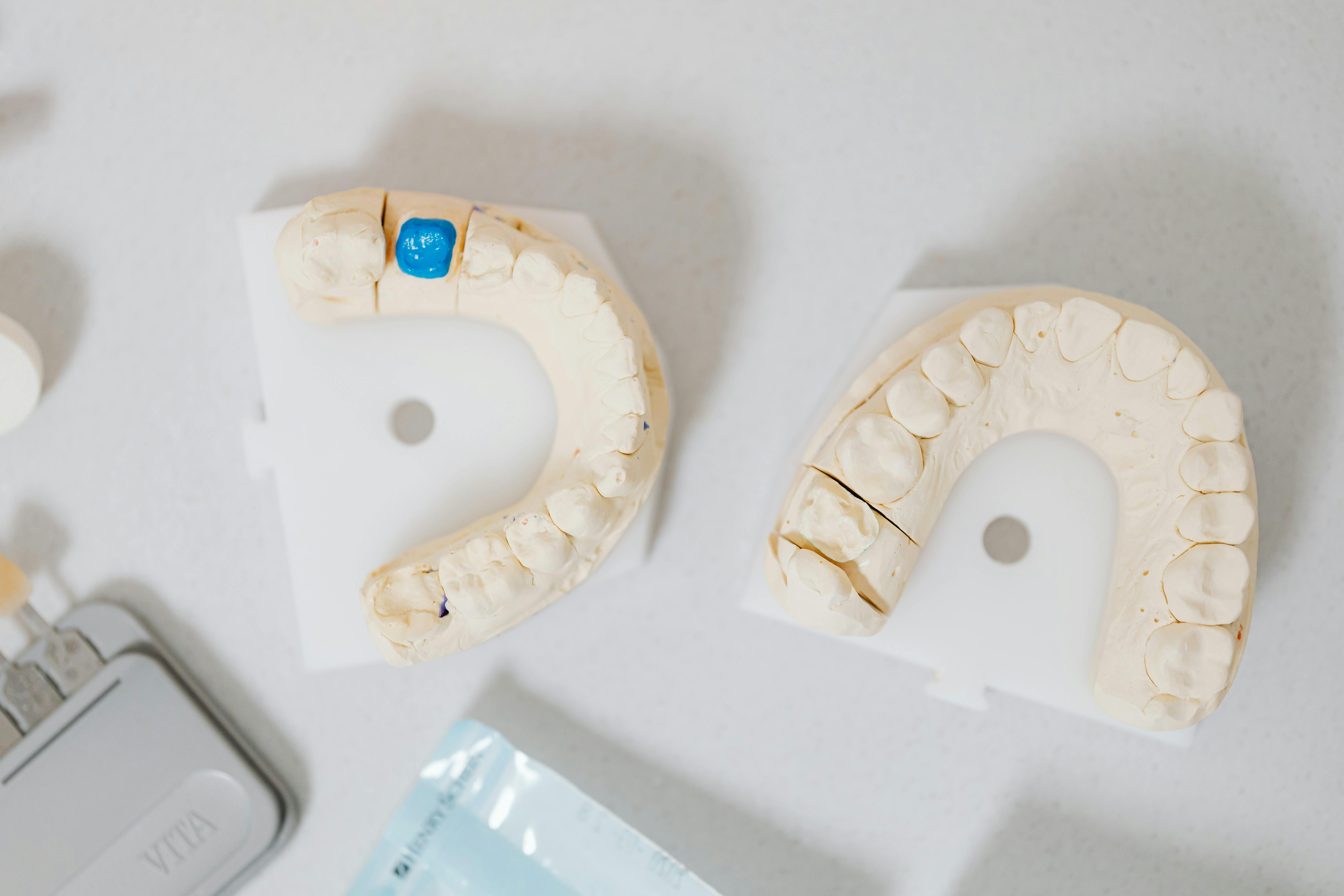
In 2026, the quest for a perfect smile has never been easier, yet more complex. This detailed guide navigates the booming world of clear aligners, comparing the convenience and cost-effectiveness of at-home, direct-to-consumer options against the safety and comprehensive care of professional, dentist-supervised treatments. Discover the crucial differences in diagnosis, treatment planning, supervision, and long-term results to make an informed decision about your teeth straightening journey and avoid potential orthodontic pitfalls.
Introduction to the Topic
The year is 2026, and the pursuit of a flawless, confident smile has reached new heights. Gone are the days when metal braces were the only path to straight teeth. Today, clear aligners have revolutionized orthodontics, offering an aesthetically pleasing, often more comfortable alternative. From the ubiquitous presence of brands like Invisalign and Spark in dental offices to the aggressive marketing of direct-to-consumer (DTC) at-home aligner kits, the options seem endless. This proliferation of choice, while exciting, has also created a significant dilemma for millions: should you opt for the perceived convenience and lower cost of DIY aligners, or invest in the comprehensive care and expertise of a professional orthodontist?
This article, brought to you by myadvanceddentist.com, delves deep into the great aligner debate of 2026. We will dissect the critical differences between at-home and professional clear aligner treatments, examining everything from initial diagnosis and treatment planning to ongoing supervision, potential risks, and long-term outcomes. Our goal is to equip you with the knowledge needed to make the safest, most effective, and ultimately, the most rewarding decision for your smile journey. Whether you're comparing prices, evaluating treatment timelines, or prioritizing safety, this ultimate buying guide will illuminate the path to your dream smile.
Backgrounds & Facts
The journey of clear aligners began in the late 1990s with the introduction of Invisalign, a groundbreaking system that offered a nearly invisible alternative to traditional braces. For years, clear aligners remained primarily within the realm of professional dental care, requiring precise 3D imaging, detailed treatment planning by an orthodontist, and regular in-person check-ups. This model prioritized clinical accuracy and patient safety, ensuring that complex tooth movements were managed by trained specialists.
However, the 2010s saw the emergence of a disruptive force: direct-to-consumer (DTC) clear aligner companies. Capitalizing on advancements in 3D scanning and printing, these companies promised a simpler, more affordable, and incredibly convenient path to straight teeth. The allure was undeniable: no crowded waiting rooms, no constant appointments, and a significantly lower price point. By 2026, the DTC market has matured, with several major players vying for consumer attention, often through aggressive online advertising and social media campaigns. These services typically involve patients taking their own dental impressions at home (or visiting a partner scanning facility), submitting them online, and receiving a series of custom-made aligners by mail.
The global clear aligner market is projected to continue its exponential growth, with millions of adults and teens seeking these discreet solutions annually. While the convenience of at-home options is attractive, dental associations worldwide have consistently voiced concerns regarding the lack of direct, in-person clinical oversight inherent in many DTC models. The fundamental difference lies in the diagnostic process and the continuous professional supervision that a licensed orthodontist provides – factors that are often overlooked in the pursuit of a quick fix. Understanding these underlying principles is crucial before committing to any teeth straightening solution.
Expert Opinion / Analysis
"Choosing how to straighten your teeth is one of the most significant investments you'll make in your oral health and confidence," states Dr. Anya Sharma, a leading orthodontist and contributor to myadvanceddentist.com. "While the appeal of at-home aligners is understandable, the potential for irreversible damage without professional oversight is a serious concern that we, as dental professionals, cannot overstate."
The core of effective orthodontic treatment lies in a comprehensive initial diagnosis. An orthodontist doesn't just look at your teeth; they meticulously assess your entire oral structure, including your jaw alignment, bite, gum health, bone density, and overall oral health. This involves detailed X-rays (panoramic, cephalometric), 3D scans, and a thorough clinical examination to identify underlying issues that might not be visible to the untrained eye or detectable through a simple at-home impression kit. For instance, an existing cavity, gum disease, or a problematic wisdom tooth could significantly complicate tooth movement and lead to severe problems if not addressed prior to or during aligner treatment.
"Tooth movement is a complex biological process," explains Dr. Sharma. "It requires precise force application to guide teeth into their correct positions without compromising root integrity, bone structure, or gum health. When this process is unsupervised or based on an incomplete diagnosis, patients risk developing new bite problems, gum recession, root shortening (resorption), or even tooth loss. We've seen an increase in 'rescue cases' in our practice – patients who started with DTC aligners and ended up with more complex issues than they began with, often requiring extensive and costly corrective treatment."
Professional orthodontists not only create a personalized, biomechanically sound treatment plan but also monitor progress at every stage. They can make real-time adjustments, address unexpected issues, and ensure the treatment stays on track. This continuous supervision is a safeguard against complications and a guarantee that your treatment is progressing safely and effectively towards the desired outcome. While some DTC companies offer remote monitoring via apps or AI, these technologies, as of 2026, still cannot replicate the diagnostic depth, tactile examination, and clinical judgment of a human orthodontist.
💰 Best Options in Comparison (VERY IMPORTANT)
When considering clear aligners, your decision boils down to two primary pathways, each with distinct advantages and disadvantages. Understanding these differences is paramount to making an informed choice that aligns with your specific needs, budget, and desired outcome.
Option 1: Professional Clear Aligners (e.g., Invisalign, Spark, ClearCorrect)
These treatments are administered and supervised entirely by a licensed orthodontist or dentist. They represent the gold standard for predictable, safe, and effective tooth straightening.
- Pros:
- Comprehensive Diagnosis: Begins with a thorough in-person examination, including X-rays, 3D scans, and a complete medical and dental history review. This identifies underlying issues like gum disease, bone loss, or bite discrepancies that could impact treatment.
- Personalized Treatment Plan: An orthodontist creates a highly customized treatment plan, leveraging their clinical expertise to precisely map out every tooth movement, ensuring optimal results and bite function.
- Ongoing Professional Supervision: Regular in-person appointments allow the orthodontist to monitor progress, make necessary adjustments, address any complications immediately, and ensure your oral health is maintained throughout treatment.
- Handles Complex Cases: Capable of correcting a wide range of orthodontic issues, from minor crowding to severe malocclusions, open bites, and crossbites.
- Attachments & Elastics: Often utilizes small, tooth-colored attachments and/or elastics to achieve more complex and precise tooth movements that aligners alone cannot accomplish.
- Guaranteed Results (within reason): With professional oversight, the likelihood of achieving the desired aesthetic and functional outcome is significantly higher, often backed by refinement options if needed.
- Emergency Support: Immediate access to professional care for any discomfort, lost aligners, or unexpected issues.
- Cons:
- Higher Cost: Generally more expensive due to the comprehensive professional services involved, though payment plans and insurance coverage can make it more accessible.
- More In-Person Visits: Requires regular appointments with your orthodontist, which might be less convenient for some schedules.
- Target User: Individuals seeking the safest, most effective, and predictable results for all levels of orthodontic complexity, those with existing oral health concerns, or anyone prioritizing long-term oral health and a professionally managed process.
Option 2: At-Home/DIY Clear Aligners (e.g., Byte, AlignerCo, Candid - as of 2026)
These services offer direct-to-consumer models where patients manage much of their treatment remotely, with limited or no in-person professional oversight.
- Pros:
- Lower Cost: Typically significantly more affordable than professional treatments, making them attractive to budget-conscious consumers.
- Convenience: The majority of the process occurs remotely, from impression kits sent to your home to aligners delivered by mail, minimizing the need for in-person appointments.
- Faster Treatment Times (Claimed): Some companies claim shorter treatment durations, often due to focusing on only cosmetic tooth movements.
- Cons:
- Lack of In-Person Diagnosis: Relies heavily on patient-taken impressions or limited remote scans, potentially missing critical underlying oral health issues (gum disease, bone loss, cavities, impacted teeth) that could complicate or contraindicate treatment.
- Limited Scope: Primarily suitable for very minor cosmetic adjustments (e.g., mild crowding or spacing in the front teeth). Cannot effectively address complex bite issues or significant malocclusions.
- No Consistent Professional Supervision: While some offer remote check-ins or virtual consultations, these lack the diagnostic depth and real-time adjustment capabilities of in-person orthodontic care.
- Risk of Complications: Higher potential for adverse outcomes such as bite problems, gum recession, tooth instability, root damage, or even tooth loss if underlying issues are ignored or tooth movement is improperly planned.
- Patient Responsibility: Places a significant burden on the patient for accurate impression taking and consistent aligner wear, without immediate professional guidance.
- Limited Emergency Support: Access to immediate professional help for issues is often delayed or non-existent.
- Target User: Individuals with very minor cosmetic concerns (e.g., slight gaps or crowding), those on a strict budget, or anyone prioritizing convenience above comprehensive professional oversight and long-term oral health.
Also integrate a clear HTML table comparing the key points, tools, or alternatives.
| Feature | Professional Clear Aligners (e.g., Invisalign, Spark) | At-Home/DIY Clear Aligners (e.g., Byte, AlignerCo) |
|---|---|---|
| Initial Diagnosis | Comprehensive in-person exam, X-rays, 3D scans, full oral health assessment by Orthodontist. | Remote impression kit (patient-taken) or limited local scan. No X-rays or full oral exam. |
| Treatment Planning | Custom plan by licensed Orthodontist, considering aesthetics, bite, and oral health. | Computer-generated plan based on impressions, often reviewed remotely by a dentist/ortho. |
| Supervision | Regular in-person check-ups, real-time adjustments, direct professional guidance. | Primarily remote monitoring (apps, photos), limited or no direct clinical intervention. |
| Cost Range (USD) | $3,000 - $8,000+ (often covered by insurance/payment plans) | $1,500 - $2,500 (less insurance coverage typically) |
| Treatment Duration | 6 months - 24+ months (varies by complexity) | 3 months - 12 months (often faster for minor cases) |
| Case Complexity | Minor to severe crowding, spacing, bite issues (overbite, underbite, crossbite). | Very mild crowding or spacing (cosmetic only). Not suitable for complex bite issues. |
| Attachments/Elastics | Commonly used for precise movements. | Rarely or never used. |
| Risk of Complications | Low, due to professional oversight and timely intervention. | Higher, due to lack of comprehensive diagnosis and real-time supervision. |
| Refinement/Adjustments | Included as part of the treatment plan; easily managed by orthodontist. | Often available, but can be cumbersome or require additional fees/impressions. |
| Long-term Stability | High, with proper retention and professional guidance. | Potentially lower, if bite issues are not fully addressed or roots are compromised. |
| Patient Commitment | Requires regular appointments and diligent aligner wear. | Requires diligent aligner wear and accurate self-monitoring. |
| Best For | Anyone seeking comprehensive, safe, and predictable results for any orthodontic need. | Individuals with very minor cosmetic concerns and a strong desire for convenience/cost savings. |
Outlook & Trends
Looking ahead to the late 2020s, the clear aligner landscape is poised for further evolution. For professional orthodontics, AI and machine learning are increasingly integrated into diagnostic tools and treatment planning software, allowing for even greater precision and personalized care. Advanced 3D printing technologies are enabling the creation of more sophisticated aligner materials and custom attachments, pushing the boundaries of what's treatable with clear aligners. Expect to see seamless integration of aligner treatment with other dental procedures, such as cosmetic dentistry and restorative work, offering patients a holistic smile transformation experience. The emphasis will remain on evidence-based treatment and patient safety.
The direct-to-consumer market, while still appealing for its convenience, is likely to face continued scrutiny and potential regulatory changes. There's a growing trend towards "hybrid" models, where DTC companies partner with local dentists or orthodontists to provide some level of in-person assessment or monitoring. This could potentially bridge the gap between pure DIY and full professional care, offering a middle ground for consumers. However, the fundamental challenge of comprehensive diagnosis and real-time clinical judgment will persist. We may also see innovations in remote monitoring technology, but these will likely serve as supplementary tools rather than replacements for a physical examination. The overarching trend for 2026 and beyond points towards greater consumer education and a stronger emphasis on informed decision-making, driven by the increasing awareness of the potential risks associated with unsupervised orthodontic treatment.
Conclusion
In 2026, achieving a straight, beautiful smile with clear aligners is more accessible than ever before. However, the choice between at-home and professional treatment is not merely a matter of cost or convenience; it's a critical decision that impacts your oral health, bite function, and long-term well-being. While at-home clear aligners offer an attractive, budget-friendly option for very minor cosmetic adjustments, they carry inherent risks due to the absence of comprehensive in-person diagnosis and continuous professional oversight.
Professional clear aligners, supervised by a qualified orthodontist, provide a gold standard of care. They ensure that your treatment is based on a thorough understanding of your unique oral anatomy, addresses both aesthetic and functional concerns, and is continuously monitored to prevent complications and guarantee predictable, lasting results.
Ultimately, the "best" option is the one that prioritizes your health and delivers the smile you desire safely and effectively. Before embarking on any teeth straightening journey, we at myadvanceddentist.com strongly recommend scheduling a comprehensive consultation with a local orthodontist. They can accurately assess your specific needs, discuss all viable options, and help you make an educated decision that safeguards your smile for years to come. Don't compromise on your oral health – invest in professional expertise for a truly confident and healthy smile.