
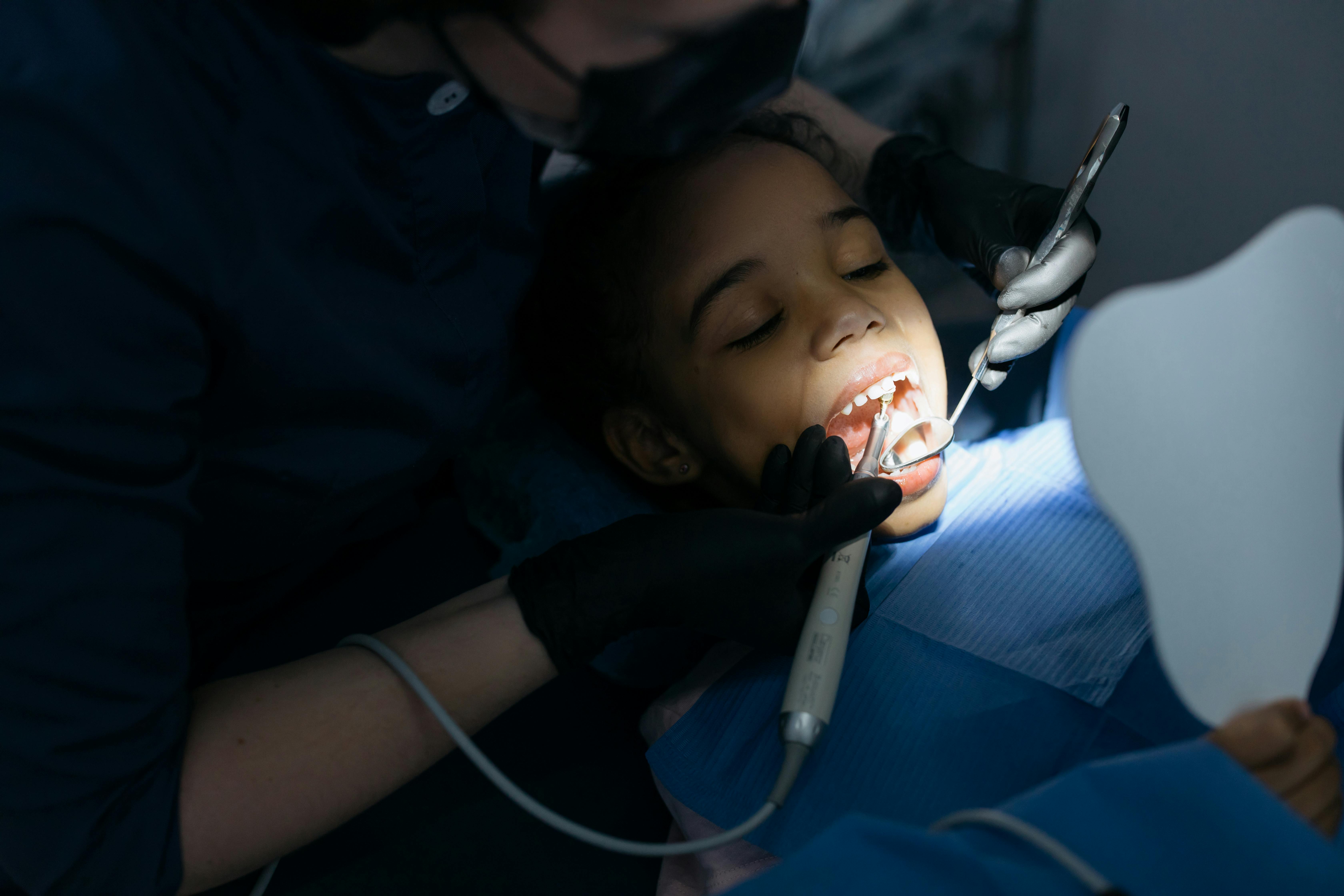
In 2026, early orthodontic treatment is more crucial and advanced than ever. Discover how interceptive orthodontics, including revolutionary clear aligners like Invisalign First, can correct malocclusion, guide jaw development, and prevent complex issues in children. This detailed guide for parents compares traditional and modern solutions, highlighting the benefits, costs, and why an early pediatric orthodontic evaluation is a smart investment in your child's long-term oral health and confidence.
Introduction to the Topic
As we navigate 2026, the landscape of pediatric dentistry is continuously evolving, bringing forth innovations that promise healthier, more confident smiles for our children. One of the most exciting and impactful areas is early orthodontic intervention, often referred to as Phase 1 or interceptive orthodontics. Gone are the days when orthodontic treatment was solely for teenagers; today, a proactive approach starting as early as age six is revolutionizing how we address developing bite problems and jaw discrepancies. This isn't just about straightening teeth; it's about guiding proper jaw growth, creating space for permanent teeth, and preventing more severe issues down the line. For parents, understanding these advancements, especially the rise of comfortable and aesthetic clear aligner solutions tailored for kids, is paramount to making informed decisions about their child's oral future. This article will delve deep into why early orthodontics is a game-changer, exploring the latest technologies and offering a comprehensive comparison of the best options available today.
Backgrounds & Facts
The American Association of Orthodontists recommends that children have their first orthodontic evaluation by age seven. While this might seem early, it's a critical window where an experienced pediatric dentist or orthodontist can identify subtle problems with jaw growth and emerging permanent teeth. Many dental issues, such as severe crowding, crossbites, underbites, overbites, and open bites, are much easier to correct when a child’s bones are still growing and malleable. Interceptive orthodontics aims to address these issues before they become deeply entrenched, often avoiding the need for extractions or complex surgeries later in life.
Historically, early orthodontic treatment involved traditional appliances like expanders, partial braces, or headgear. While effective, these could sometimes be cumbersome and less aesthetic, posing challenges for compliance in young, active children. The facts are clear: untreated malocclusion can lead to a host of problems beyond aesthetics, including speech difficulties, chewing problems, uneven tooth wear, increased risk of cavities and gum disease due to difficulty cleaning, and even temporomandibular joint (TMJ) disorders. Furthermore, studies consistently show a strong link between a child's smile and their self-esteem and social development. Early intervention isn't just a dental procedure; it's an investment in their overall well-being and future confidence.
In 2026, diagnostic tools have become incredibly sophisticated. Digital X-rays, 3D intraoral scanners, and advanced cephalometric imaging provide orthodontists with precise, detailed information about a child's facial structure, jaw alignment, and tooth positions. This data allows for highly personalized treatment plans that are more efficient and effective than ever before, paving the way for innovative solutions like pediatric clear aligners.
Expert Opinion / Analysis
According to Dr. Anya Sharma, a leading pediatric orthodontist and consultant for myadvanceddentist.com, "The shift towards early interceptive orthodontics is one of the most significant advancements in our field. We're not just correcting problems; we're preventing them. By addressing issues like jaw discrepancies or severe crowding while a child is still growing, we can guide their development towards a healthier outcome, often simplifying or even eliminating the need for extensive treatment during their teenage years."
Dr. Sharma emphasizes the psychological benefits, stating, "Children who receive early treatment often experience a boost in self-confidence. They adapt quickly to appliances, and by resolving issues like speech impediments or noticeable bite problems early, we help them avoid potential social anxieties. The compliance rates with modern, less intrusive options like clear aligners for kids are also remarkably high, which is a huge win for both children and parents."
Another expert, Dr. Marcus Thorne, highlights the economic advantages. "While there's an initial investment, early orthodontic treatment can significantly reduce the overall cost and complexity of future orthodontic care. Preventing the need for extractions or orthognathic surgery later on saves families substantial amounts of money and time. It's a proactive health strategy, much like preventive medicine." He also points out the role of advanced AI-driven treatment planning software in 2026, which allows orthodontists to predict growth patterns and customize aligner movements with unprecedented precision, leading to faster and more predictable results.
The consensus among experts is clear: an early orthodontic evaluation is a non-negotiable step for every child. It provides parents with valuable insights and empowers them to make informed decisions that can positively impact their child's oral health for a lifetime.
💰 Best Options in Comparison (VERY IMPORTANT)
When considering early orthodontic treatment for your child, parents in 2026 have more choices than ever, balancing effectiveness, comfort, aesthetics, and cost. The primary distinction lies between traditional fixed appliances and the revolutionary clear aligner systems designed specifically for growing children.
- Traditional Functional Appliances & Partial Braces: These have been the workhorses of Phase 1 orthodontics for decades. Functional appliances like palatal expanders, habit breakers, or specialized retainers are used to correct jaw discrepancies or harmful oral habits. Partial braces might be used on a few select teeth to create space or correct specific rotations. They are highly effective for severe skeletal issues and offer precise control over tooth movement. However, they can be visible, sometimes uncomfortable, and require diligent oral hygiene.
- Clear Aligners for Kids (e.g., Invisalign First, Spark Aligners for Kids): This is where 2026 truly shines. Systems like Invisalign First and Spark Aligners for Kids are specifically engineered for the unique needs of a growing child's mouth. They use a series of custom-made, removable clear plastic trays that gently shift teeth and guide jaw development. These aligners are nearly invisible, incredibly comfortable, and allow children to eat, brush, and floss normally, significantly reducing the impact on daily life. They often include features like 'eruption tabs' to accommodate emerging permanent teeth and compliance indicators for parents. Their removability is a huge advantage for hygiene and comfort, but it also means compliance is key – children must wear them for 20-22 hours a day.
Here's a detailed comparison to help you weigh your options:
| Feature | Traditional Appliances (Expanders, Partial Braces) | Clear Aligners for Kids (e.g., Invisalign First) |
|---|---|---|
| Aesthetics | Visible metal/plastic components. | Nearly invisible, clear plastic trays. |
| Comfort | Can cause initial soreness, potential for irritation from wires/brackets. | Smooth, custom-fit plastic; generally more comfortable with less irritation. |
| Hygiene | More challenging to brush and floss around fixed appliances; increased risk of plaque buildup. | Removable for easy brushing and flossing, promoting better oral hygiene. |
| Dietary Restrictions | Significant restrictions (avoid sticky, hard, chewy foods). | None, as aligners are removed for eating. |
| Compliance | Generally high due to fixed nature, but can be impacted by discomfort. | Requires child's diligence to wear 20-22 hours/day; easy to lose if not careful. |
| Treatment Scope | Excellent for complex skeletal corrections, severe rotations, and space creation. | Effective for a wide range of mild-to-moderate malocclusions, jaw expansion, and space creation. Capabilities expanding rapidly. |
| Cost (Approx. 2026) | Typically $2,500 - $6,000 for Phase 1 (varies widely). | Typically $3,500 - $7,500 for Phase 1 (varies widely, often slightly higher due to technology). |
| Follow-up Appointments | Regular adjustments, often every 4-6 weeks. | Fewer in-person visits possible, often every 8-12 weeks with remote monitoring options. |
Choosing the best option depends on your child's specific needs, the complexity of their case, your budget, and their willingness to comply. A thorough consultation with a qualified pediatric orthodontist is essential to determine the most effective and appropriate treatment plan.
Outlook & Trends
The future of pediatric orthodontics in 2026 and beyond is incredibly exciting. We are seeing continued integration of Artificial Intelligence (AI) in treatment planning, allowing for even more precise predictions of growth and tooth movement. AI can analyze vast datasets to identify optimal treatment pathways, potentially reducing treatment times and enhancing outcomes.
Telehealth and remote monitoring are also becoming standard. Imagine your child's orthodontist monitoring their progress through a smartphone app, using AI-powered scans to track aligner fit and tooth movement, reducing the need for frequent in-office visits. This convenience is a huge benefit for busy families.
Personalized medicine will also take center stage, with treatments tailored not just to the current dental structure but to a child's unique genetic predispositions for growth and bone density. Bio-compatible materials, faster tooth movement technologies, and even regenerative approaches to stimulate bone growth in specific areas are on the horizon, promising even less invasive and more efficient treatments.
The trend is clear: more comfortable, more aesthetic, more personalized, and more technologically advanced solutions that make achieving a perfect, healthy smile for children an increasingly accessible and positive experience.
Conclusion
Early orthodontic intervention in 2026 is a powerful tool for safeguarding your child's oral health and boosting their confidence. By addressing developing issues with jaw growth and tooth alignment at a young age, parents can prevent more complex and costly problems in the future. With the advent of advanced diagnostic tools and revolutionary clear aligner systems specifically designed for children, achieving a healthy, beautiful smile has never been more comfortable or convenient. Don't wait for problems to worsen; an early pediatric orthodontic evaluation is a crucial first step. Consult with a trusted pediatric dentist or orthodontist today to explore the best options for your child and invest in their lifelong smile. Book Your Child's Orthodontic Consultation Now!