
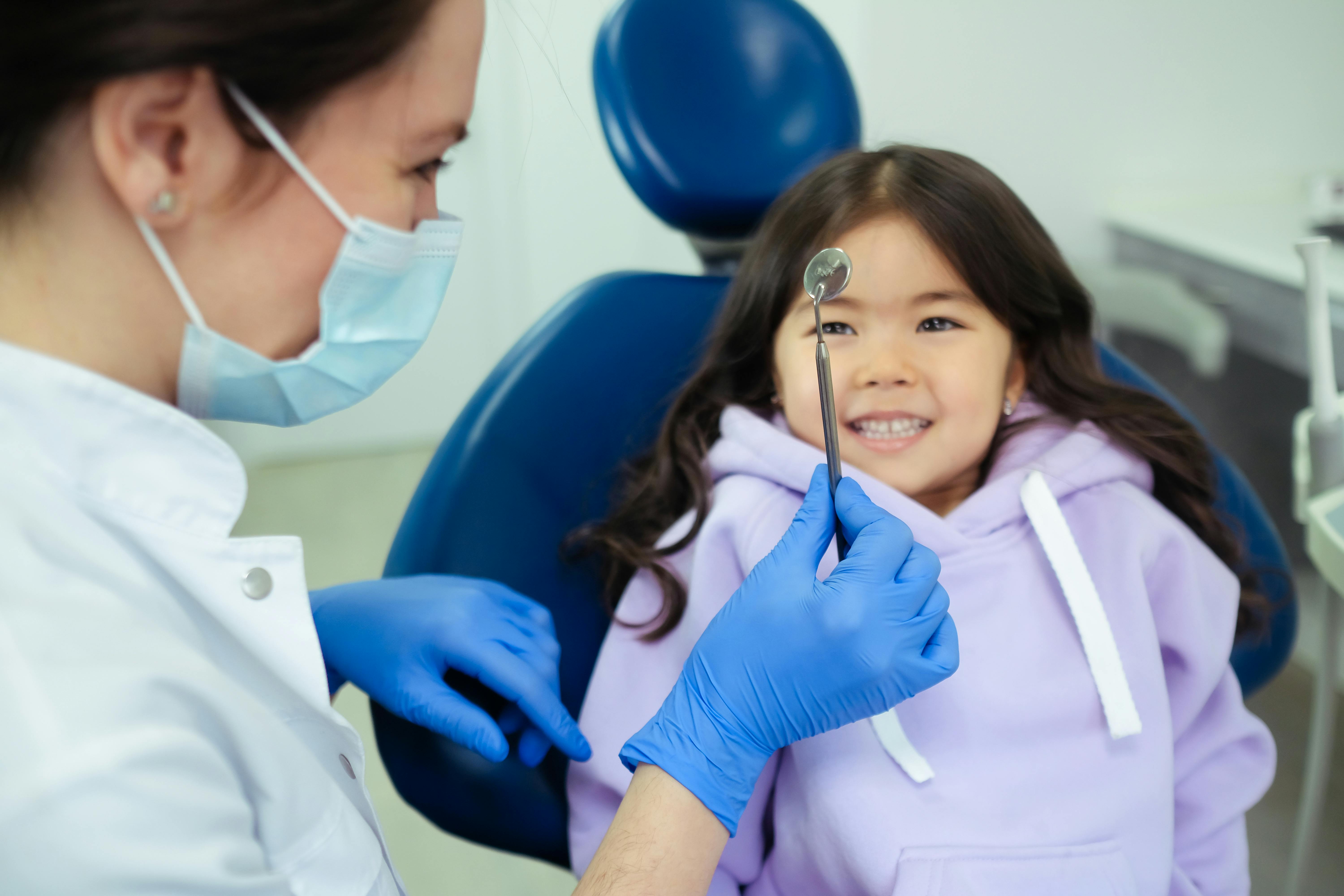
Discover the transformative world of pediatric early orthodontic intervention in 2026. This comprehensive guide explores why proactive dental growth guidance, including myofunctional therapy and advanced appliances, is crucial for your child's long-term health, facial development, and a confident smile. Learn about the best treatment options, costs, and how to choose the right pediatric orthodontist for your child's optimal dental future.
Introduction to the Topic
In the rapidly evolving landscape of pediatric dentistry, 2026 marks a pivotal shift: moving beyond reactive treatments to embrace proactive, early intervention orthodontics. Gone are the days when parents simply waited for all adult teeth to emerge before considering braces. Today, a growing understanding of craniofacial development, airway health, and the long-term impact of oral habits has propelled early orthodontic intervention (often called Phase 1 or interceptive orthodontics) to the forefront of modern pediatric dental care. This isn't just about straightening teeth; it's about guiding proper jaw growth, optimizing breathing, improving speech, and even enhancing facial aesthetics, setting the stage for a healthier, happier future for your child. For parents seeking to invest wisely in their child's well-being, understanding these advanced options is paramount.
Backgrounds & Facts
Early orthodontic intervention typically occurs between the ages of 6 and 10, while a child's jaw bones are still developing. This critical window allows pediatric dentists and orthodontists to address potential problems before they become severe, often simplifying or even eliminating the need for extensive treatment later. The goal is to correct skeletal imbalances, create space for erupting permanent teeth, and eliminate harmful oral habits.
Key issues addressed by early orthodontics include:
- Crossbites: When upper teeth bite inside lower teeth, often leading to uneven jaw growth.
- Underbites: Lower jaw protrudes beyond the upper jaw, impacting chewing and facial balance.
- Crowding: Insufficient space for permanent teeth, potentially leading to extractions if untreated.
- Protruding Front Teeth: Increasing the risk of injury and self-consciousness.
- Harmful Oral Habits: Such as thumb sucking, finger sucking, or tongue thrusting, which can significantly alter jaw development and tooth alignment.
- Mouth Breathing: Often linked to narrow palates, sleep issues, and altered facial growth.
- Airway Issues: Early expansion can improve nasal breathing, crucial for sleep quality and overall health.
Statistics show that a significant percentage of children could benefit from early intervention. According to recent dental health surveys, over 30% of children aged 6-12 exhibit some form of malocclusion or jaw discrepancy that could be mitigated with timely treatment. Ignoring these issues can lead to more complex and costly treatments in adolescence, including prolonged braces, extractions, or even jaw surgery. The focus in 2026 is on a holistic approach, recognizing that a child's mouth is an integral part of their overall health and development.
Expert Opinion / Analysis
“The paradigm has fundamentally shifted,” explains Dr. Anya Sharma, a renowned pediatric orthodontist specializing in early growth guidance. “We’re no longer just straightening teeth; we’re sculpting futures. By intervening early, we can harness a child’s natural growth potential. This means creating a more harmonious bite, optimizing airway function – which is incredibly important for sleep and focus – and guiding facial development to its best possible outcome. It’s truly preventative and foundational care.”
Dr. Sharma emphasizes that early screening is key. “Parents often assume they should wait until all baby teeth are gone. However, the American Association of Orthodontists recommends a first orthodontic evaluation by age seven. This allows us to identify subtle issues that, if addressed promptly, can prevent more severe problems. We're looking for signs of skeletal imbalance, emerging crowding, or detrimental habits like persistent mouth breathing or tongue thrust that impact jaw development. Early intervention can significantly reduce the need for permanent tooth extractions later, minimize the duration of full braces, and potentially improve speech and reduce the risk of sleep-disordered breathing.”
Another crucial aspect gaining traction in 2026 is the integration of myofunctional therapy. “Many malocclusions are rooted in improper muscle function of the tongue, lips, and cheeks,” Dr. Sharma notes. “Myofunctional therapy, often performed by a specialized therapist, teaches children how to achieve proper tongue posture, swallow correctly, and breathe through their nose. When combined with appliances like palatal expanders, the results are often more stable and profound, supporting not just dental alignment but overall oral health and function.” This integrated approach represents the cutting edge of pediatric dental care, offering a truly comprehensive solution for your child.
💰 Best Options in Comparison (VERY IMPORTANT)
Choosing the right early orthodontic treatment for your child can feel overwhelming, given the array of options available in 2026. The best approach is always customized, based on your child's specific needs as determined by a specialized pediatric dentist or orthodontist. Here’s a comparison of leading early intervention methods:
-
1. Palatal Expanders (Rapid Palatal Expander - RPE, Slow Palatal Expander)
What it is: These appliances, often fixed to the upper molars, gently widen the upper jaw over several weeks or months. RPEs are turned daily by parents, while slow expanders apply continuous, lighter pressure. This creates more space for crowded teeth and corrects crossbites. They are fundamental for improving nasal breathing by widening the nasal passages.
Benefits: Highly effective for creating space, correcting crossbites, and improving airway function. Can prevent the need for extractions later. Relatively short treatment time (3-6 months active expansion, followed by retention).
Considerations: Can be visible, may cause initial discomfort or speech changes. Requires diligent turning by parents for RPEs. Cost Range: $2,000 - $4,500.
-
2. Functional Appliances (e.g., Bionator, Frankel, Twin Block)
What it is: These removable appliances are designed to guide the growth of the jaws, primarily for correcting significant overbites or underbites by encouraging the lower jaw to grow forward or restraining upper jaw growth. They work by repositioning the jaw and influencing muscle function.
Benefits: Excellent for correcting jaw discrepancies without surgery if caught early. Can lead to significant improvements in facial profile. Often worn primarily at night and during certain hours of the day.
Considerations: Requires excellent patient compliance as they are removable. Can be bulky initially. Cost Range: $3,000 - $6,000.
-
3. Myofunctional Therapy & Habit Appliances
What it is: Myofunctional therapy is a series of exercises to retrain oral and facial muscles, addressing issues like improper tongue posture, mouth breathing, and incorrect swallowing. Habit appliances (e.g., tongue cribs, habit breakers) are fixed or removable devices that physically deter habits like thumb sucking or tongue thrusting.
Benefits: Addresses the root cause of many orthodontic problems, leading to more stable results. Improves breathing, speech, and facial development. Can be used alone or in conjunction with other appliances.
Considerations: Requires consistent effort from the child and parent for therapy exercises. Habit appliances can be uncomfortable initially. Cost Range: Myofunctional therapy: $800 - $3,000 (course of treatment); Habit Appliances: $1,000 - $2,500.
-
4. Limited Braces / Partial Braces
What it is: In some cases, a small number of traditional braces (usually on the front teeth) are used for a limited period to correct specific alignment issues, create space, or prepare for Phase 2 treatment. This is not full orthodontic treatment but an early intervention to address immediate concerns.
Benefits: Efficiently corrects specific tooth positions. Can reduce the complexity and duration of later full orthodontic treatment. Less invasive than full braces.
Considerations: Still involves brackets and wires. May not address underlying skeletal issues. Cost Range: $2,500 - $5,000.
-
5. Early Clear Aligners (e.g., Invisalign First)
What it is: Designed specifically for growing children (ages 6-10), these custom-made clear plastic aligners can address a range of issues, including crowding, spacing, and narrow arches. They are removable and nearly invisible, appealing to many children and parents.
Benefits: Highly aesthetic and comfortable. Removable for eating and brushing, promoting better oral hygiene. Fewer emergency visits compared to traditional braces. Can guide arch development and create space.
Considerations: Requires excellent patient compliance for consistent wear. Not all complex cases are suitable. Cost Range: $3,500 - $7,000.
When considering these options, it's vital to consult with a pediatric dentist or an orthodontist specializing in early intervention. They can provide a personalized diagnosis and treatment plan, discuss financing options, and clarify what your dental insurance for kids might cover. Many clinics offer free initial consultations to help you explore the best path for your child's smile and health.
Comparison Table: Pediatric Early Orthodontic Options (2026)
| Option | Primary Goal | Typical Age Range | Comfort/Aesthetics | Typical Duration | Relative Cost Range | Effectiveness |
|---|---|---|---|---|---|---|
| Palatal Expanders | Widen upper jaw, correct crossbite, improve airway | 6-10 years | Moderate comfort, visible | 3-6 months (active) + retention | $$ | Excellent for skeletal expansion |
| Functional Appliances | Guide jaw growth (overbite/underbite) | 7-11 years | Moderate comfort, removable, some bulk | 9-18 months | $$ - $$ | Very good for jaw discrepancy correction |
| Myofunctional Therapy & Habit Appliances | Retrain muscles, correct habits (e.g., thumb sucking, tongue thrust, mouth breathing) | 4+ years | Good comfort (therapy), initial adjustment (appliances) | 6-12 months (therapy), 6-12 months (appliances) | $ - $$ | High for habit correction & muscle retraining |
| Limited Braces | Align specific teeth, create space | 7-11 years | Moderate comfort, visible | 6-12 months | $$ - $$ | Good for targeted tooth movement |
| Early Clear Aligners (e.g., Invisalign First) | Address crowding, spacing, arch development | 6-10 years | High comfort, nearly invisible, removable | 9-18 months | $$ - $$$ | Excellent for suitable cases, compliance-dependent |
Outlook & Trends
The future of pediatric early orthodontics in 2026 and beyond is bright, characterized by increasing personalization and technological integration:
- AI-Powered Diagnostics & Treatment Planning: Artificial intelligence is revolutionizing how pediatric orthodontists analyze growth patterns, predict outcomes, and design highly personalized treatment plans. AI algorithms can identify subtle discrepancies earlier and suggest optimal intervention strategies, leading to even more precise and efficient results.
- Digital Impressions & 3D Printing: The days of messy dental molds are rapidly fading. Intraoral scanners create precise 3D digital impressions in minutes, which are then used to 3D print custom appliances like expanders and aligners with unparalleled accuracy.
- Tele-orthodontics & Remote Monitoring: While not replacing in-person visits, tele-orthodontics is expanding, particularly for follow-up appointments and progress checks. Wearable sensors and smartphone apps allow practitioners to remotely monitor appliance wear and treatment progress, offering convenience for busy families.
- Enhanced Focus on Airway Health: The strong link between oral development, nasal breathing, and sleep quality will continue to drive treatment protocols. Early intervention will increasingly prioritize opening airways and fostering proper nasal breathing to mitigate risks of sleep apnea and improve overall health.
- Biocompatible & Sustainable Materials: There's a growing demand for materials that are not only effective but also health-conscious and environmentally friendly. Expect more research and adoption of advanced, non-toxic, and sustainable materials in appliance fabrication.
These trends underscore a commitment to making pediatric early orthodontic treatment more effective, comfortable, and tailored to each child's unique developmental journey.
Conclusion
Investing in early orthodontic intervention for your child in 2026 is one of the most impactful decisions you can make for their long-term health, confidence, and well-being. By addressing potential issues during crucial growth phases, you're not just ensuring a beautiful smile; you're optimizing jaw development, improving breathing, enhancing speech, and potentially preventing more complex and costly problems down the line. The array of advanced options, from palatal expanders and functional appliances to myofunctional therapy and early clear aligners, offers tailored solutions for every child's needs.
Don't wait until problems become severe. The American Association of Orthodontists recommends a first orthodontic evaluation by age seven. Take the proactive step to secure your child's optimal oral health and overall development. Consult with a specialized pediatric dentist or orthodontist today to explore the best early orthodontic treatment plan for your child and embark on the journey to a future-proofed, healthy, and radiant smile.