
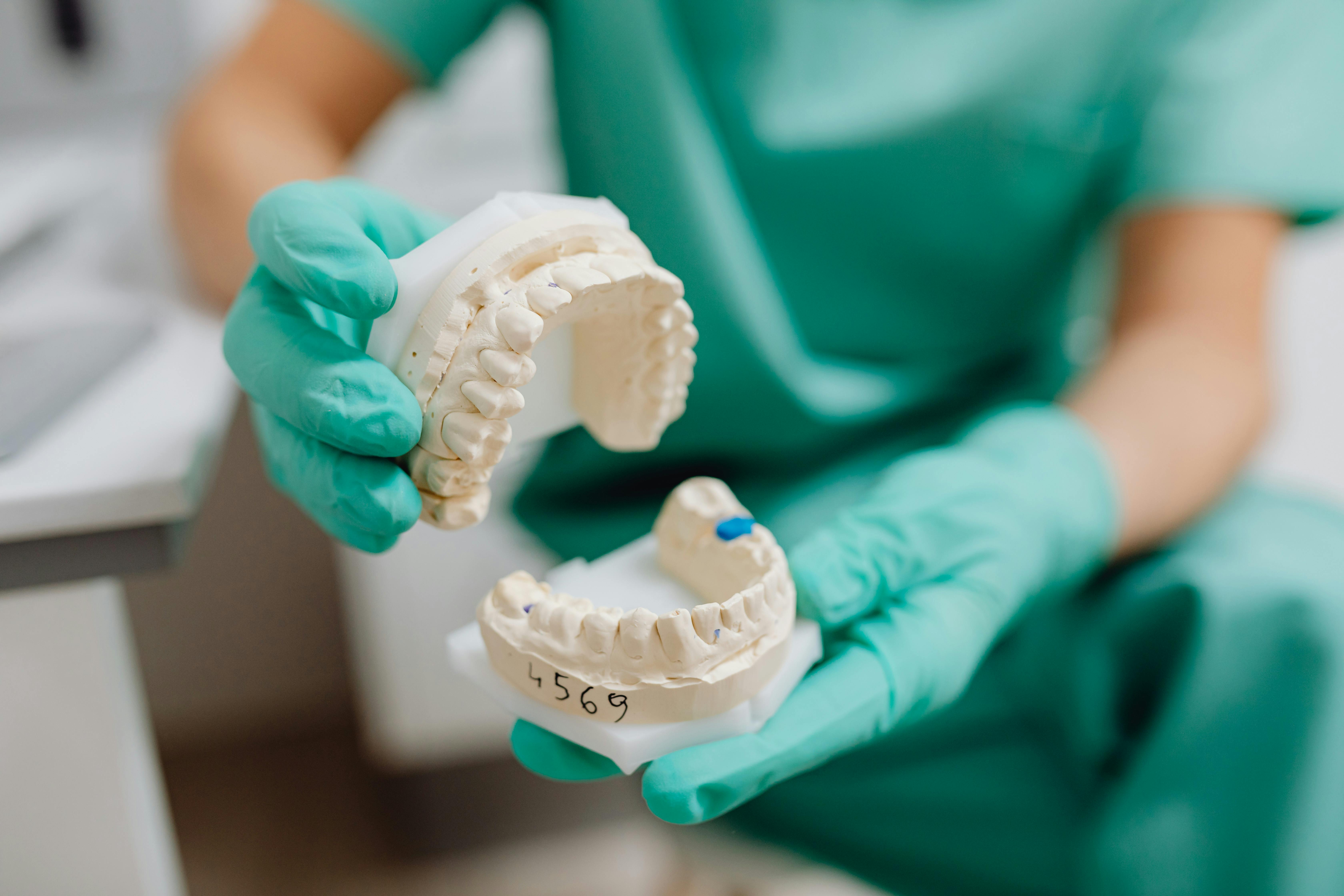
Discover how Artificial Intelligence (AI) is transforming orthodontics in 2026, offering faster, more precise, and highly personalized smile transformations. Explore the latest AI-powered clear aligners, remote monitoring tools, and predictive analytics that are reshaping treatment plans and patient experiences. Learn how to choose the best AI-integrated orthodontic solutions for your perfect smile and maximize your investment in advanced dental technology.
Introduction to the Topic
Welcome to 2026, where the future of orthodontics isn't just arriving—it's already here, powered by the incredible advancements in Artificial Intelligence. Forget the days of one-size-fits-all treatment plans and lengthy, uncomfortable appointments. Today, AI is revolutionizing how we achieve a perfect smile, making orthodontic journeys more efficient, accurate, and deeply personalized than ever before. From initial diagnostics to post-treatment retention, AI algorithms are working tirelessly behind the scenes, ensuring every adjustment, every aligner, and every decision is optimized for your unique dental anatomy and desired outcome.
This article will delve into the exciting world of AI-powered orthodontics, exploring how this cutting-edge technology is setting new standards for precision, speed, and patient comfort. We'll uncover the key innovations, discuss the tangible benefits for patients, and provide a comprehensive guide to navigating the options available in this rapidly evolving landscape. If you're considering orthodontic treatment, understanding the AI revolution is crucial to making an informed decision that promises not just straight teeth, but a truly customized and exceptional smile experience.
Backgrounds & Facts
The integration of AI into orthodontics is not a sudden phenomenon but the culmination of years of digital dentistry evolution. Starting with 3D imaging (like CBCT and intraoral scanners) and CAD/CAM technology, the stage was set for intelligent systems to process vast amounts of data. By 2026, AI has moved beyond mere data processing to predictive analytics, machine learning, and even generative design, profoundly impacting every stage of orthodontic care.
- Diagnostic Precision: AI algorithms can analyze complex dental scans, X-rays, and facial photographs with unparalleled accuracy, identifying subtle malocclusions, bone density issues, and growth patterns that might be missed by the human eye. This leads to more precise initial diagnoses and treatment planning.
- Personalized Treatment Plans: Using advanced machine learning, AI can simulate millions of treatment outcomes based on individual patient data. This allows orthodontists to select the optimal path, predict tooth movement with greater accuracy, and design custom aligners or braces that fit perfectly and move teeth most efficiently.
- Accelerated Treatment: AI-driven insights help optimize the sequence and force application, often reducing overall treatment time. Combined with technologies like high-frequency vibration devices, AI ensures that every step is maximized for speed and safety.
- Remote Monitoring & Virtual Consultations: AI-powered platforms allow patients to send regular scans or photos of their teeth via smartphone apps. AI analyzes these images for progress, potential issues, and compliance, enabling orthodontists to monitor treatment remotely and intervene proactively, reducing the need for frequent in-person appointments. This has become a cornerstone of convenient and accessible care.
- Enhanced Patient Experience: From virtual smile previews to AI-powered chatbots answering common questions, AI contributes to a smoother, more engaging patient journey, making orthodontic treatment less daunting and more interactive.
The market for AI in dental and oral care is projected to grow significantly, with orthodontics being a primary beneficiary due to its data-intensive nature. This growth is driven by increasing patient demand for aesthetic solutions, technological advancements, and the desire for more efficient healthcare delivery. AI isn't replacing the orthodontist; it's empowering them with superhuman analytical capabilities, leading to superior outcomes for patients.
Expert Opinion / Analysis
Dr. Eleanor Vance, a leading orthodontist and pioneer in digital dentistry, shares her perspective: "By 2026, AI is no longer a novelty; it's an indispensable co-pilot in our clinics. What's truly transformative isn't just the speed or precision, but the depth of personalization it affords. We can now predict how a patient's bite will evolve over years, not just months, and design interventions that are truly preventative and long-lasting. For instance, AI can analyze thousands of successful cases similar to a new patient's unique dental structure, suggesting optimal treatment paths that might take a human practitioner decades to accumulate through personal experience alone."
She emphasizes the shift from "braces and wires" to "data and algorithms" as the core of modern orthodontics. "The diagnostic power of AI, coupled with its ability to refine aligner designs or bracket placements to micron-level accuracy, means fewer revisions, less discomfort, and often, significantly shorter treatment durations. Moreover, the rise of AI-powered remote monitoring means patients, especially those with busy lifestyles, can undergo complex treatments with fewer disruptions, knowing their progress is constantly being optimized and overseen by both their human orthodontist and an intelligent digital assistant. This blend of human expertise and artificial intelligence is truly the pinnacle of patient-centric care."
The ethical considerations and data security are also paramount. "While AI offers immense benefits, ensuring patient data privacy and the responsible use of these powerful tools remains our top priority," Dr. Vance adds. "Reputable clinics utilizing AI adhere to the highest standards of data encryption and compliance, ensuring your sensitive health information is protected while still enabling the benefits of advanced analytics."
💰 Best Options in Comparison (VERY IMPORTANT)
Choosing an AI-powered orthodontic solution means selecting a clinic that effectively integrates these advanced technologies into their practice. Here's a comparison of the leading approaches and what to look for when investing in your AI-driven smile transformation:
Full-Service AI-Integrated Orthodontic Clinics:
These clinics have fully embraced AI across their workflow. They utilize AI for initial diagnostics (e.g., analyzing 3D scans for precise malocclusion identification), treatment planning (e.g., AI-driven simulation of tooth movements and bite correction), and often employ AI-powered clear aligner systems from top manufacturers. They typically offer advanced remote monitoring with AI analysis of patient-submitted images, reducing in-office visits. This option provides the most comprehensive and seamless AI experience.
Pros: Maximum precision, highly personalized plans, potentially faster treatment, comprehensive remote support, access to the latest technology. Often includes virtual smile previews and advanced predictive analytics. Cons: Generally higher upfront investment due to advanced technology and specialized staff. Requires a clinic with significant technological infrastructure.
Hybrid AI-Assisted Remote Monitoring Systems:
This approach combines traditional in-office orthodontic treatment (braces or aligners) with AI-powered remote monitoring. Patients use a dedicated app and often a specialized scanning device (e.g., DentalMonitoring, OrthoFX) to regularly submit images of their teeth. AI analyzes these images to track progress, detect issues like aligner non-compliance or unexpected tooth movement, and alert the orthodontist. This allows for fewer in-person appointments while maintaining close oversight.
Pros: Convenience of fewer office visits, continuous professional oversight, proactive issue detection, suitable for various treatment types (braces or aligners). Can be integrated with existing orthodontic treatments. Cons: Still requires some in-person visits for adjustments or critical check-ups. The level of AI integration is primarily focused on monitoring rather than full treatment planning.
Advanced AI-Powered Clear Aligner Systems:
These are specific aligner brands that leverage AI heavily in their manufacturing and treatment planning processes. Beyond just 3D printing, AI optimizes the aligner material, thickness, and attachment points for superior force application and predictable tooth movement. Examples include systems that use AI to predict and correct tracking issues before they occur, or those that dynamically adjust the treatment plan based on real-time progress. While the clinic might not be "fully AI-integrated" across all services, their chosen aligner system itself is highly intelligent.
Pros: Highly efficient aligner treatment, often leads to faster results, reduced need for refinements, excellent aesthetic appeal. Benefits from the latest material science and AI design. Cons: Benefits are limited to the aligner phase of treatment. May not encompass AI for initial diagnostics or post-treatment retention planning unless combined with other AI services.
To help you compare, here's a table summarizing key aspects:
| Feature | Full-Service AI Clinic | Hybrid AI Remote Monitoring | Advanced AI Aligner Systems |
|---|---|---|---|
| Diagnostic Accuracy | Highest (AI-enhanced 3D analysis) | Standard (Human-led, AI for monitoring) | High (AI-optimized for aligner suitability) |
| Personalization Level | Exceptional (AI-simulated outcomes) | Good (Tailored to individual progress) | Very Good (AI-designed aligners) |
| Treatment Speed | Potentially Fastest (AI-optimized sequence) | Improved (Proactive adjustments) | Fast (Efficient aligner movement) |
| Remote Monitoring | Comprehensive AI analysis & alerts | Primary focus, robust AI analysis | Often integrated as part of aligner system |
| Cost Range (Estimated) | Higher-end investment | Mid to Higher-end | Mid to Higher-end |
| Ideal For | Patients seeking ultimate precision & convenience, complex cases. | Busy individuals, those wanting fewer in-office visits, maintaining oversight. | Clear aligner candidates prioritizing aesthetics & efficiency. |
When making your decision, ask potential orthodontists about their specific AI tools, what kind of remote monitoring they offer, and how AI contributes to their treatment planning process. A consultation with a myadvanceddentist.com professional who is well-versed in these technologies is your best first step to understanding which AI-powered solution aligns with your needs and budget. Don't hesitate to ask for virtual smile simulations or case studies where AI played a significant role in successful outcomes.
Outlook & Trends
Looking ahead, the integration of AI in orthodontics is only set to deepen. By the end of the decade, we can expect AI to be even more deeply embedded, moving towards "predictive orthodontics" where AI can anticipate potential issues years in advance and recommend pre-emptive interventions. Research is already underway in:
- Generative AI for Smile Design: Moving beyond existing templates, AI will be able to generate entirely new, aesthetically perfect smile designs tailored to an individual's facial features and personality, even before treatment begins.
- Biometric Integration: AI systems will increasingly integrate with biometric data (e.g., genetic predispositions, bone density changes over time) to create even more dynamic and responsive treatment plans.
- Robotics in Orthodontics: While still in early stages, AI-powered robotic systems could assist with precise bracket placement or even aligner adjustments, further enhancing accuracy and reducing chair time.
- Enhanced Patient Education: AI-driven augmented reality (AR) apps will provide immersive, interactive explanations of treatment progress and future outcomes, empowering patients with unprecedented understanding.
The goal is a truly "smart" orthodontic experience – one that is not just efficient and precise, but also intuitive, proactive, and deeply integrated into the patient's lifestyle. The future promises even more seamless, comfortable, and predictable paths to your dream smile, all orchestrated by the intelligent hand of AI.
Conclusion
The year 2026 marks a pivotal moment in orthodontics, with Artificial Intelligence leading the charge in delivering unparalleled precision, personalization, and efficiency. From sophisticated diagnostics to advanced remote monitoring and expertly designed aligner systems, AI is redefining what's possible in smile transformation. It empowers orthodontists to craft bespoke treatment plans, often reducing treatment times and enhancing patient comfort, while offering the convenience of fewer in-person visits.
Embracing AI in your orthodontic journey means investing in a future where your perfect smile is achieved with scientific accuracy and personalized care. As you consider your options, remember to seek out clinics that are at the forefront of this technological revolution. Consult with a myadvanceddentist.com professional today to explore how AI-powered orthodontics can unlock the most beautiful, confident smile you've always dreamed of, faster and smarter than ever before.