
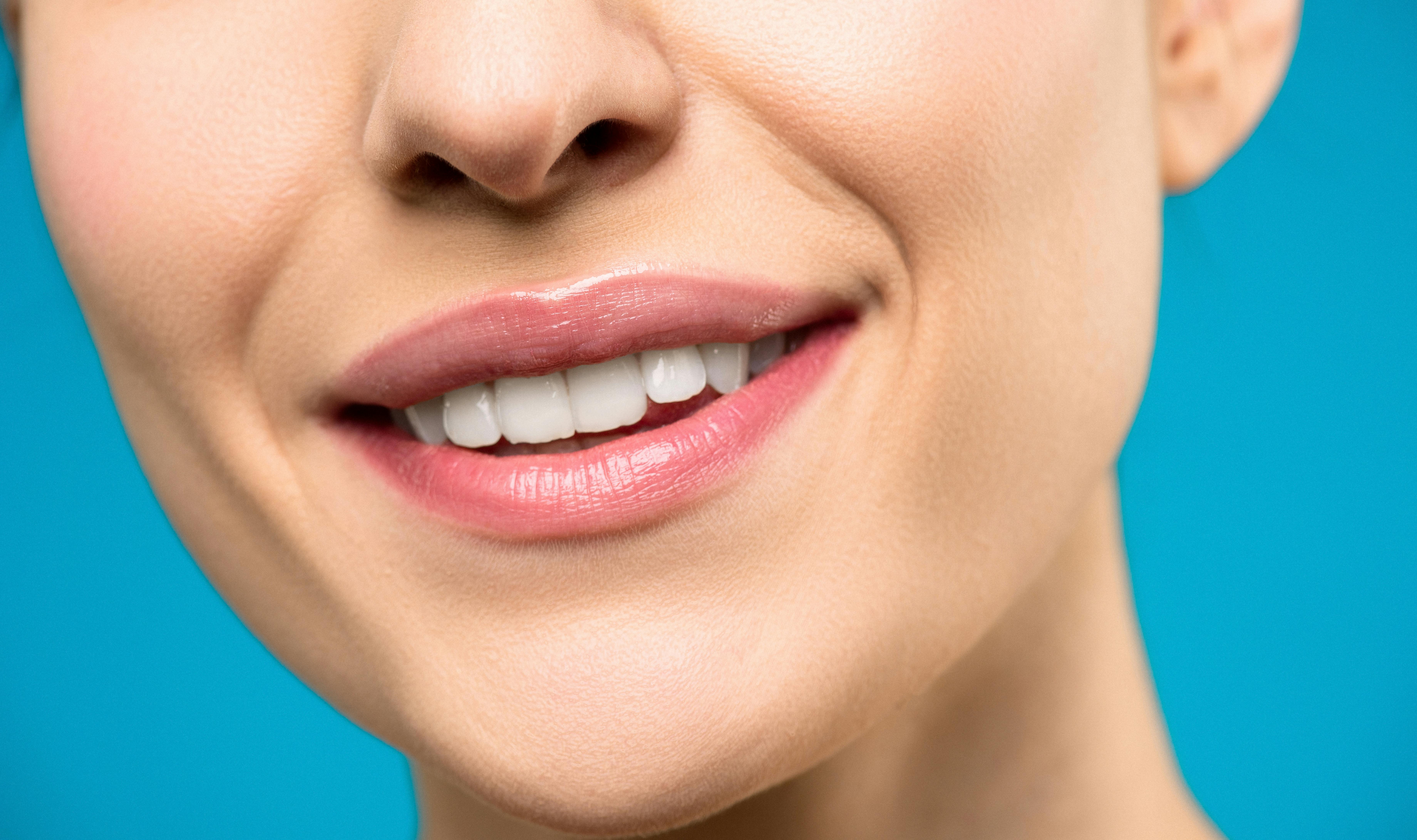
Discover the future of smile makeovers in 2026 with an in-depth look at no-prep veneers and advanced digital smile design. Explore how minimally invasive cosmetic dentistry is transforming smiles, preserving natural tooth structure, and offering unparalleled aesthetic results. Compare the benefits, costs, and processes of no-prep porcelain veneers, composite bonding, and traditional veneers to help you make an informed decision and find the best cosmetic dentist for your dream smile.
Introduction to the Topic
The pursuit of a perfect smile has always been a cornerstone of cosmetic dentistry. However, the methods and philosophies behind achieving that ideal have undergone a revolutionary transformation. As we navigate 2026, the landscape of aesthetic dental care is dominated by a powerful paradigm shift: the embrace of minimally invasive techniques, powered by cutting-edge digital technologies. Gone are the days when significant tooth alteration was the default for a smile makeover. Today, patients demand, and leading dentists deliver, solutions that prioritize the preservation of natural tooth structure while delivering breathtakingly beautiful and durable results.
This article delves into the exciting world of no-prep veneers and the indispensable role of Digital Smile Design (DSD) in crafting bespoke smiles. We'll explore how these advanced approaches are not just trending but are fundamentally redefining what's possible in cosmetic dentistry, offering solutions that are less invasive, highly personalized, and more predictable than ever before. If you're considering enhancing your smile, understanding these modern options is your first step towards a confident, radiant future.
Backgrounds & Facts
For decades, porcelain veneers have been the undisputed gold standard for transforming smiles, effectively correcting a myriad of aesthetic concerns such as discoloration, chips, minor gaps, and slight misalignments. Traditional porcelain veneers, while incredibly effective and long-lasting, typically required the removal of a small, precise amount of tooth enamel – an irreversible process. This necessary preparation, though minimal, often made some patients hesitant, fearing the permanent alteration of their natural teeth.
Enter the era of minimally invasive dentistry, spearheaded by the innovation of no-prep veneers and the unparalleled precision of Digital Smile Design (DSD). No-prep veneers, sometimes referred to as minimal-prep or ultra-thin veneers, are exactly what their name suggests: exceedingly thin shells of high-strength porcelain, often as fine as a contact lens (ranging from 0.2 to 0.5 mm in thickness), that can be bonded directly to the front surface of teeth with little to no enamel removal. This groundbreaking technique means preserving the vast majority, if not all, of your natural tooth structure, offering a significantly more conservative and often reversible approach to smile enhancement.
Complementing this material advancement is the explosive growth and sophistication of Digital Smile Design (DSD). DSD, powered by advanced software and sometimes even Artificial Intelligence (AI) in 2026, allows dentists and patients to co-design the ideal smile before any treatment begins. Utilizing high-resolution intraoral scans, 3D imaging, and photographic analysis, DSD creates a comprehensive digital blueprint of your future smile. This technology enables precise planning, predictable outcomes, and, crucially, allows patients to visualize and even 'test drive' their new smile through mock-ups, ensuring complete satisfaction before committing to treatment. The synergy between DSD and no-prep techniques represents a monumental leap forward, marrying aesthetic vision with biological preservation.
Expert Opinion / Analysis
“The evolution of materials science, combined with sophisticated digital planning tools, has completely redefined what’s possible in cosmetic dentistry,” explains Dr. Alistair Finch, a renowned cosmetic dentist and innovator in digital smile aesthetics at MyAdvancedDentist.com. “In 2026, we’re not just correcting flaws; we’re crafting bespoke smiles that are in harmony with a patient’s facial features and personality, all while preserving their natural teeth. No-prep veneers, when indicated, represent the pinnacle of this philosophy, offering a truly conservative yet transformative solution.”
The primary advantage of no-prep veneers lies in their conservative nature. By minimizing or eliminating the need for enamel reduction, dentists can preserve the structural integrity of the natural tooth. This not only reduces patient anxiety but also often means a more comfortable procedure with little to no anesthetic required. Furthermore, because the underlying tooth structure remains largely intact, the procedure is considered more 'reversible' than traditional veneers, though removing the strongly bonded veneer and adhesive should still be considered a significant decision.
However, Dr. Finch cautions that no-prep veneers are not a universal solution. “The ideal candidate for no-prep veneers typically presents with minor aesthetic concerns such as mild discoloration, small chips, slight gaps, or teeth that are already somewhat undersized. Patients with severely misaligned teeth, significant structural damage, or large existing fillings may still benefit more from traditional veneers or other restorative options like orthodontics or crowns.” A thorough diagnostic evaluation, often facilitated by DSD, is critical to determine the most appropriate treatment plan.
The success of these minimally invasive techniques heavily relies on the skill and artistry of the cosmetic dentist. Precision in bonding, meticulous attention to detail in shade matching, and a deep understanding of facial aesthetics are paramount. Modern bonding agents have advanced significantly, offering incredibly strong and durable adhesion that allows these ultra-thin veneers to withstand daily function for many years, often exceeding a decade with proper care. This combination of advanced materials, digital planning, and expert execution ensures that the beautiful results are not only immediate but also long-lasting and incredibly natural-looking.
💰 Best Options in Comparison (VERY IMPORTANT)
When considering a smile transformation in 2026, patients have more sophisticated and tailored options than ever before. While traditional porcelain veneers remain a powerful tool for significant changes, the rise of minimally invasive alternatives like no-prep veneers and advanced composite bonding offers incredible versatility. Here's a closer look at the leading choices:
- No-Prep Porcelain Veneers: The "Preserve & Perfect" Choice
Ideal for patients seeking significant aesthetic improvements with minimal commitment to tooth reduction. These ultra-thin shells of high-strength porcelain are custom-fabricated in a dental lab, ensuring superior durability, stain resistance, and a lifelike translucency that mimics natural enamel. Perfect for mild discoloration, minor chips, small gaps, or slight misalignments. While generally not fully reversible in the sense that the bonding process is strong, the underlying tooth remains largely intact, offering peace of mind. - Advanced Composite Bonding (Direct Veneers): The "Artistic & Agile" Solution
This technique involves a highly skilled cosmetic dentist applying a tooth-colored resin material directly to the tooth, shaping and polishing it to perfection in a single visit. It's an excellent, more affordable option for correcting minor imperfections, closing small gaps, or repairing chipped teeth. Composite bonding is highly versatile, completely reversible (as no tooth structure is removed), and offers immediate results, though it may require more maintenance and is less stain-resistant than porcelain. - Traditional Porcelain Veneers: The "Transformative & Enduring" Standard
For those requiring more significant changes in tooth shape, size, or alignment, traditional veneers remain an excellent choice. This involves a slight reduction of enamel to ensure proper fit and a natural contour. While irreversible, traditional veneers offer unparalleled strength, longevity (often 10-15+ years), and the ability to drastically alter a smile with predictable, stunning results, especially for severely discolored or misaligned teeth that aren't suitable for no-prep options.
To help you compare these leading options, here's a detailed breakdown:
| Feature | No-Prep Porcelain Veneers | Advanced Composite Bonding | Traditional Porcelain Veneers |
|---|---|---|---|
| Tooth Reduction | Minimal to None | None | Moderate (0.5-1.0 mm) |
| Durability | Excellent (10-15+ years) | Good (5-7 years, requires touch-ups) | Superior (10-20+ years) |
| Cost (per tooth, 2026 est.) | $1,200 - $2,500 | $400 - $1,000 | $1,500 - $3,000 |
| Treatment Time | 2-3 appointments | 1 appointment (often) | 2-3 appointments |
| Reversibility | Potentially Reversible* | Fully Reversible | Irreversible |
| Best For | Mild to moderate aesthetic changes, preserving natural teeth | Minor chips, gaps, shape corrections, immediate results | Significant changes in shape, size, color, severe issues |
| Aesthetics | Outstanding, natural translucency | Very good, highly artistic | Exceptional, highly customizable |
| Maintenance | Standard oral hygiene | Standard oral hygiene, may need polishing/repair | Standard oral hygiene |
*While no-prep veneers involve minimal to no enamel removal, the strong bonding agents used mean removal of the veneer itself should still be considered a permanent decision, as residual adhesive may need to be polished off.
Outlook & Trends
Looking ahead to the late 2020s and beyond, the trajectory of cosmetic dentistry is clear: more personalized, more predictable, and even less invasive. AI will play an increasingly pivotal role, not just in smile design, but in predicting treatment outcomes and even assisting in material selection for optimal aesthetics and longevity. Imagine an AI algorithm analyzing your facial structure, bite, and desired outcome to suggest the perfect veneer shade and shape, even before a single tooth is touched.
Further advancements in material science will yield even stronger, thinner, and more biomimetic ceramics, pushing the boundaries of what's possible with no-prep techniques. We can anticipate faster fabrication times through advanced 3D printing and milling technologies, potentially reducing the number of appointments required for custom veneer placement. Virtual Reality (VR) and Augmented Reality (AR) will also become more integrated into the consultation process, allowing patients to experience their potential new smile in an immersive, real-time environment before any physical work begins.
The trend towards holistic oral health will also continue to intertwine with cosmetic dentistry. Treatments will increasingly consider the overall health of the stomatognathic system – including gums, bite, and jaw joint function – ensuring that aesthetic enhancements contribute to long-term oral well-being, not just superficial beauty. This means a more comprehensive approach, where cosmetic procedures are part of a larger, preventative, and health-focused treatment plan.
Conclusion
In 2026, achieving the smile of your dreams no longer means compromising the integrity of your natural teeth. The advancements in no-prep veneers, advanced composite bonding, and sophisticated digital smile design have ushered in an era where beauty and preservation go hand-in-hand. Whether you're seeking a subtle enhancement to correct minor imperfections or a dramatic transformation that revitalizes your entire appearance, there's a minimally invasive, highly personalized option tailored for you.
Choosing the right cosmetic procedure is a significant decision, and it's one that should be made in consultation with a highly qualified and experienced dental professional. The key to a successful smile makeover lies in precise planning, expert execution, and a deep understanding of your individual aesthetic goals and oral health needs. With the technologies and techniques available today, a stunning, natural-looking smile that enhances your confidence and preserves your natural teeth is more accessible than ever.
Ready to explore the possibilities for your smile? Don't wait to unlock your confidence. Visit MyAdvancedDentist.com today to find a highly skilled cosmetic dentist near you and schedule a personalized consultation. Invest in your smile, invest in your future – with the peace of mind that comes from knowing you're choosing the most advanced, patient-centric solutions available.