
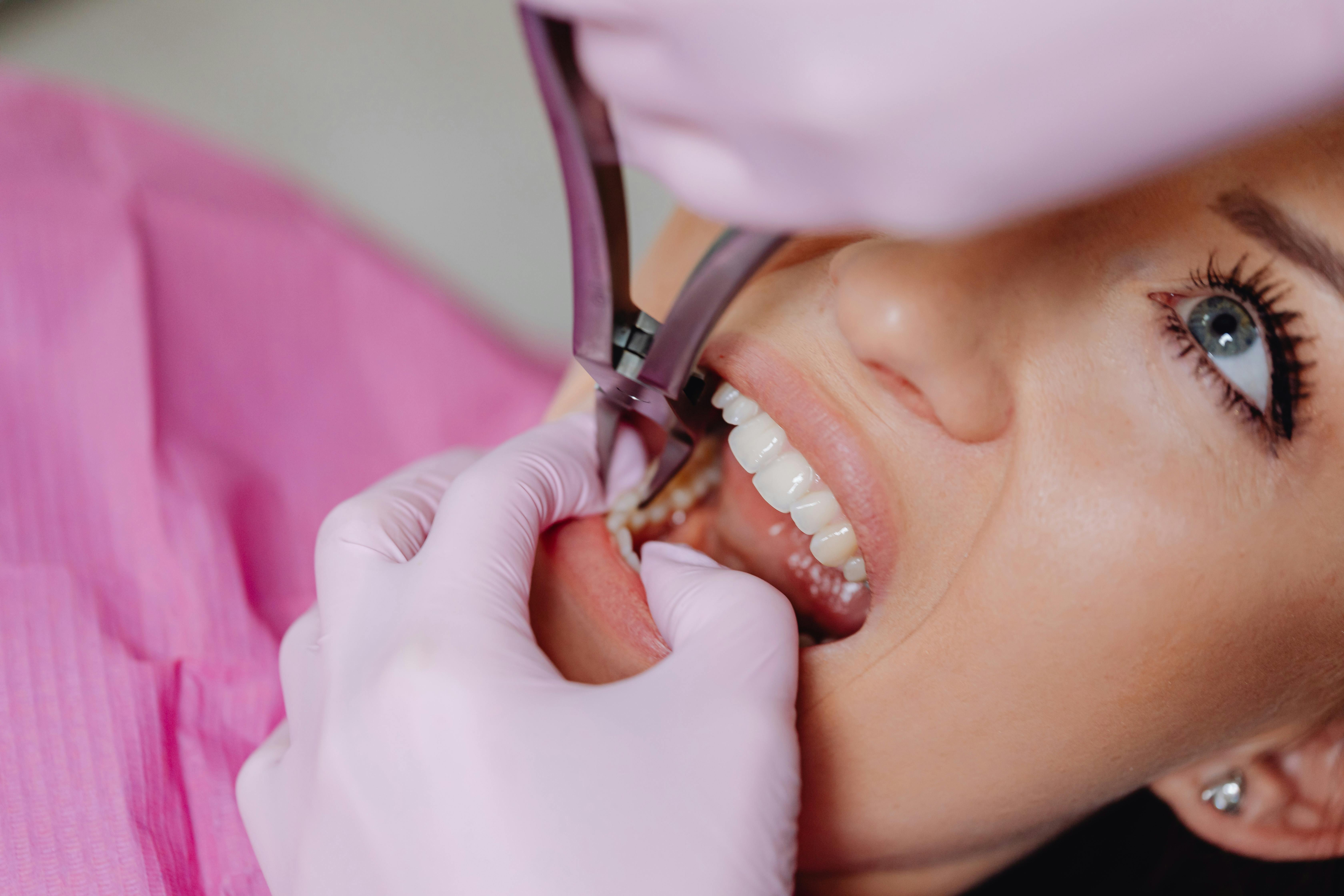
Many Americans with severe tooth pain go to a hospital emergency department and leave without the problem being fixed. The reason is a mismatch between what the setting is equipped for and what the condition requires.
Emergency departments are built for a different scope
Emergency departments are staffed and equipped to stabilize patients, manage life-threatening conditions and treat injuries across the whole body.
Dental treatment requires specific equipment, including a dental chair, handpieces, suction and dental radiography, which most emergency departments do not maintain.
Staffing follows the same logic. Emergency physicians are trained in emergency medicine, and a dentist is not typically part of the department roster.
Hospitals in some regions maintain on-call arrangements with oral surgeons, but those cover surgical problems rather than routine restorative or root canal treatment.
What the department can address
Infections that have spread beyond the tooth fall within emergency medicine, including airway compromise, systemic illness and abscesses requiring drainage.
Facial trauma, uncontrolled bleeding and jaw fractures are also managed there, sometimes with an oral and maxillofacial surgeon on call.
Pain management and antibiotic treatment can be provided, which addresses symptoms and spread but leaves the origin inside the tooth untouched.
Why symptomatic care alone tends to recur
A tooth causing pulp pain or an abscess continues to do so until the pulp is treated or the tooth is removed.
When the source remains, symptoms commonly return after medication ends, producing repeat visits for the same tooth.
Repeat emergency visits are more expensive than definitive dental treatment and do not move the problem toward resolution.
Why people go anyway
Emergency departments are open at night and on weekends, and they are required to provide a medical screening examination regardless of ability to pay.
Dental coverage is separate from medical coverage in the US, and adults without a dental plan often have no established dentist to call.
Dental offices also keep limited hours, so the practical alternative outside those hours is frequently not obvious.
What the alternatives generally are
Many dental practices reserve time for urgent problems and operate an after-hours contact route, which is worth identifying before it is needed.
Federally qualified health centers and community dental clinics provide care on sliding-scale fees, and dental school clinics treat patients at reduced cost.
Severe swelling, difficulty breathing or swallowing, uncontrolled bleeding or significant facial injury remain reasons to go to an emergency department immediately.