
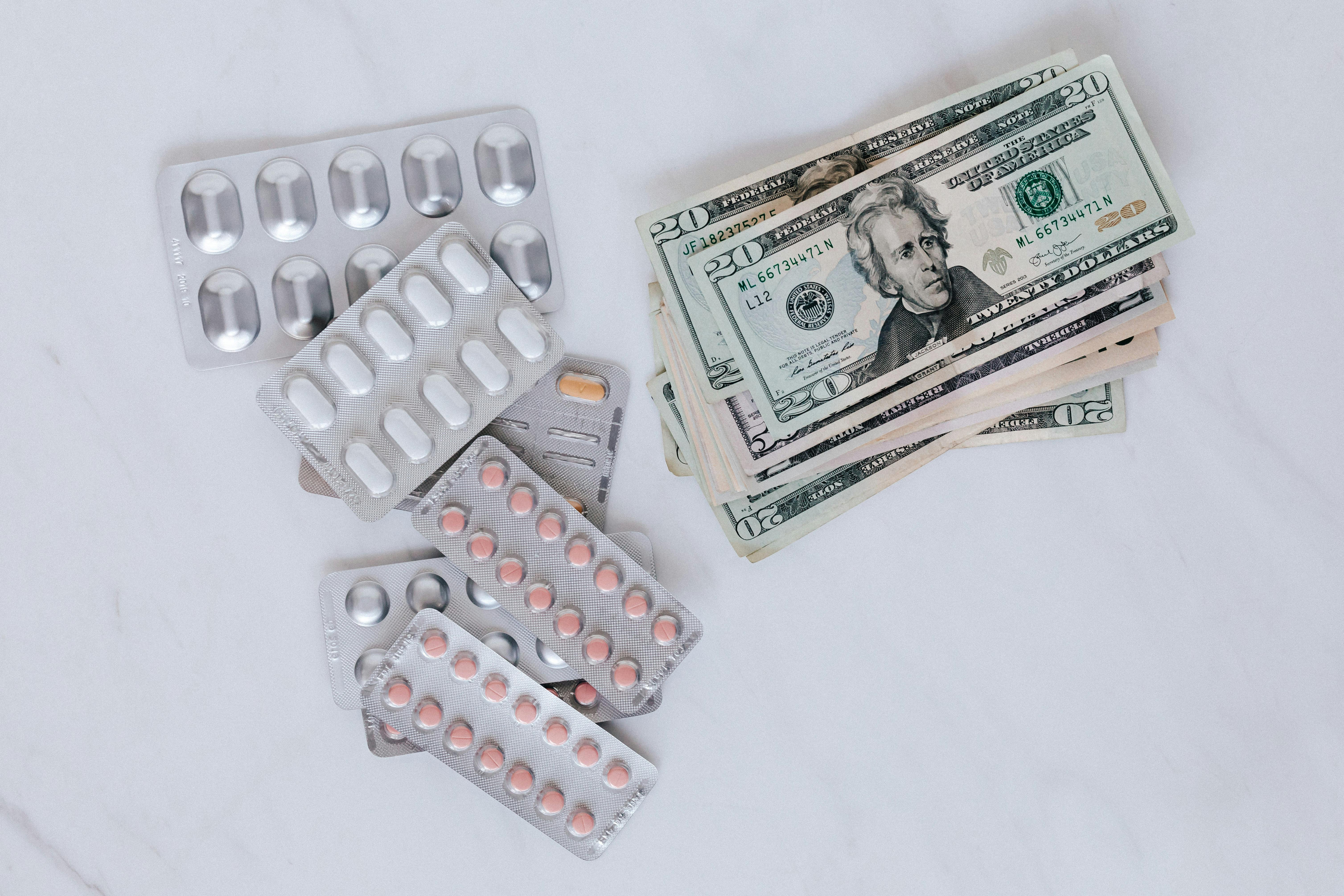
In 2026, achieving a perfect smile is more accessible yet complex than ever. Dive into the true costs of popular cosmetic dental treatments like porcelain veneers, clear aligners, and advanced bonding. Discover how digital smile design and evolving financing options are shaping cosmetic dentistry pricing, helping you compare options and invest wisely in your smile makeover.
Introduction to the Topic
Welcome to 2026, where the pursuit of a flawless smile has transcended mere aesthetics to become a cornerstone of personal confidence and professional success. With advancements in dental technology, materials, and techniques, a truly transformative smile makeover is within reach for more people than ever before. However, the diverse array of options and the varying price tags can often leave prospective patients feeling overwhelmed. How do you navigate the landscape of cosmetic dentistry costs, ensuring you receive exceptional value for your investment without breaking the bank?
This comprehensive guide from myadvanceddentist.com is designed to demystify the financial aspects of achieving your dream smile in 2026. We’ll explore the real costs behind the most popular cosmetic dental procedures – from high-impact porcelain veneers to discreet clear aligners and innovative dental bonding. Our goal is to equip you with the knowledge needed to make informed decisions, understand what influences pricing, and identify the best options tailored to your budget and aesthetic goals. Get ready to compare products, understand service costs, and confidently book your path to a radiant, new smile!
Backgrounds & Facts
The cosmetic dentistry landscape in 2026 is a testament to rapid innovation. Gone are the days of one-size-fits-all treatments. Today, patients benefit from highly personalized, digitally-driven solutions that deliver predictable and stunning results. This evolution, naturally, impacts pricing structures.
Key factors shaping cosmetic dentistry costs in 2026 include:
- Advanced Technology: The widespread adoption of Digital Smile Design (DSD) software, AI-powered diagnostic tools, intraoral scanners, and 3D printing has revolutionized treatment planning and execution. While these technologies streamline processes and improve outcomes, their initial investment by dental practices can subtly influence procedure costs.
- Superior Materials: The development of stronger, more aesthetically pleasing, and biocompatible materials for veneers, crowns, and bonding agents means greater longevity and natural appearance. These premium materials often come at a higher cost.
- Personalized Treatment Plans: Modern cosmetic dentistry emphasizes a holistic approach, considering facial aesthetics, bite function, and individual patient desires. This bespoke planning requires more chair time, expertise, and often, collaboration with specialized dental labs.
- Dentist's Expertise and Location: A highly experienced cosmetic dentist with a proven track record of successful smile makeovers, especially one using cutting-edge techniques, will typically command higher fees. Similarly, dental practices in metropolitan areas or affluent neighborhoods often have higher overheads, which can translate to increased costs.
- Preventative and Maintenance Components: Many advanced cosmetic treatments now include a focus on long-term oral health and maintenance, which can be factored into the overall cost, offering greater value over time.
In 2026, a smile makeover is rarely a single procedure but often a combination of treatments. Understanding these underlying factors is crucial for appreciating the investment involved.
Expert Opinion / Analysis
“In 2026, investing in your smile isn't just about vanity; it's about investing in your overall well-being and confidence,” states Dr. Elena Petrova, a leading cosmetic dentist and founder of 'Aesthetic Dental Futures' based in Seattle. “Many patients initially focus solely on the sticker price, but it’s critical to look beyond that. Consider the longevity of the results, the expertise of your dentist, and the quality of materials used. A cheaper upfront cost might mean less durable results, requiring costly revisions down the line.”
Dr. Petrova emphasizes the value of a comprehensive consultation. “A true smile makeover in 2026 begins with a detailed digital smile analysis. This allows us to co-design the smile with the patient, providing a precise visual of the outcome before any treatment begins. This predictive capability, while part of the overall cost, significantly enhances patient satisfaction and reduces the risk of disappointment.”
She further advises patients to inquire about financing options. “With the average cost of a full smile makeover ranging from $15,000 to $50,000 or more in 2026, depending on complexity, financing is often essential. Most reputable practices offer flexible payment plans, third-party dental loans, or accept dental credit cards. Don't let the initial cost deter you from exploring possibilities that make your dream smile achievable.” The long-term benefits, including improved self-esteem, better oral health habits, and even professional advantages, often far outweigh the initial financial outlay.
💰 Best Options in Comparison (VERY IMPORTANT)
To help you navigate your choices, let's compare some of the most sought-after cosmetic dental procedures in 2026, focusing on their costs, benefits, and ideal candidates. Remember, these are average ranges and can vary significantly based on your specific needs, location, and the dentist's expertise.
1. Porcelain Veneers
Porcelain veneers remain the gold standard for dramatic smile transformations. These ultra-thin, custom-made shells of medical-grade porcelain are bonded to the front surface of teeth, instantly correcting issues like discoloration, chips, gaps, and minor misalignment. In 2026, advancements in ceramic technology allow for thinner, stronger, and more natural-looking veneers, often requiring minimal to no tooth preparation.
- Average 2026 Cost: $1,500 - $3,500 per tooth. A full set of 6-10 veneers per arch can range from $9,000 to $35,000+.
- Cost Factors: Number of veneers, material quality, lab fees, dentist's experience, complexity of case.
- Ideal Candidate: Individuals seeking a complete aesthetic overhaul, those with significant discoloration, chips, gaps, or slightly misaligned teeth who desire immediate, long-lasting results.
2. Clear Aligners (e.g., Invisalign, Spark, ClearCorrect)
For those looking to straighten their teeth discreetly, clear aligners continue to dominate the orthodontic market. These custom-fabricated, removable plastic trays gradually shift teeth into their desired positions without the need for traditional metal braces. 2026 sees even faster treatment times and enhanced comfort thanks to material innovations and AI-driven treatment planning.
- Average 2026 Cost: $3,500 - $8,000 for a full treatment plan. Minor corrections can start around $2,500.
- Cost Factors: Complexity and length of treatment, number of aligners required, brand chosen, remote monitoring options, retainers.
- Ideal Candidate: Adults and teens with mild to moderate orthodontic issues, including crowding, spacing, overbites, underbites, and crossbites, who prioritize aesthetics and convenience during treatment.
3. Advanced Dental Bonding & Contouring
Dental bonding involves applying a tooth-colored composite resin to the teeth, which is then sculpted, hardened with a special light, and polished. It's a versatile, cost-effective solution for minor cosmetic flaws. Contouring subtly reshapes teeth by removing small amounts of enamel. In 2026, composite resins are more durable and aesthetically advanced, mimicking natural tooth enamel better than ever before.
- Average 2026 Cost: $300 - $1,000 per tooth for bonding; $100 - $300 per tooth for contouring.
- Cost Factors: Extent of bonding/contouring needed, material used, dentist's skill.
- Ideal Candidate: Patients with minor chips, cracks, gaps, discoloration, or irregular tooth shapes who are looking for a quick, less invasive, and more affordable solution.
Here’s a comparison table to summarize your options and help you make an informed decision:
| Procedure | Average 2026 Cost Range | Key Benefits | Ideal Candidate | Longevity | Considerations |
|---|---|---|---|---|---|
| Porcelain Veneers | $1,500 - $3,500 per tooth | Dramatic transformation, stain-resistant, natural look | Significant aesthetic flaws, healthy gums/teeth | 10-15+ years with proper care | Irreversible, higher cost, requires multiple visits |
| Clear Aligners | $3,500 - $8,000 (full treatment) | Discreet, removable, improved oral hygiene | Mild-moderate misalignment, motivated patients | Permanent results (with retainer use) | Requires compliance, not suitable for severe cases |
| Dental Bonding | $300 - $1,000 per tooth | Affordable, quick, minimally invasive, reversible | Minor chips, gaps, discoloration | 5-10 years (less durable than veneers) | Can stain, less durable, limited to minor corrections |
| Teeth Whitening (Professional) | $400 - $800 (in-office) | Fast, effective brightening | Healthy teeth, extrinsic stains | 6 months - 2 years (with touch-ups) | Temporary sensitivity, not for intrinsic stains |
Financing Your Dream Smile in 2026:
Understanding the costs is just the first step. Many advanced dental practices in 2026 offer a range of flexible payment solutions to make your smile makeover affordable:
- In-House Payment Plans: Many dentists offer interest-free payment plans, allowing you to spread the cost over several months.
- Third-Party Financing: Companies like CareCredit or LendingClub provide specialized healthcare credit cards or loans with various interest rates and repayment terms.
- Dental Insurance: While most cosmetic procedures are not fully covered by traditional dental insurance, some plans might offer partial coverage for treatments that also have a restorative component (e.g., bonding for a chipped tooth that affects function). Always check with your provider.
- Health Savings Accounts (HSAs) & Flexible Spending Accounts (FSAs): These tax-advantaged accounts can be used to pay for eligible dental expenses, including some cosmetic procedures if deemed medically necessary.
Always discuss financing options openly with your dental practice's administrative team. They are often experts at helping patients navigate the financial aspects of their treatment.
Outlook & Trends
Looking ahead to the rest of 2026 and beyond, the cost of cosmetic dentistry will continue to be influenced by technological innovation. We anticipate further integration of AI for even more precise diagnostics and treatment planning, potentially optimizing resource use and making some procedures more efficient, which could stabilize or even reduce certain costs over time.
The rise of personalized medicine and genetic testing in dentistry could also lead to highly customized preventative and aesthetic treatments, influencing long-term value. As materials become even more advanced and durable, the longevity of cosmetic procedures will increase, making the initial investment even more worthwhile. We may also see an increase in subscription-based dental wellness plans that bundle preventative care with discounts on elective cosmetic treatments, offering a new avenue for cost management.
Conclusion
Embarking on a smile makeover journey in 2026 is an exciting prospect, offering not just aesthetic enhancement but a significant boost in confidence and quality of life. While the costs can seem substantial, understanding the factors that contribute to pricing, comparing your options, and exploring available financing solutions are key to making this investment a reality. Remember that a beautiful smile is a long-term asset. Prioritize finding an experienced cosmetic dentist who utilizes advanced technology and quality materials, and who can clearly communicate the value and benefits of your chosen treatment. Don't hesitate to schedule a consultation with a trusted professional to discuss your unique goals and receive a personalized cost estimate. Your dream smile is closer than you think!